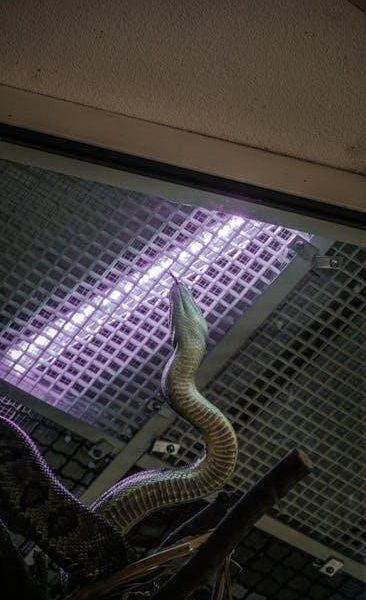
Hognose Snake Care Guide: A Comprehensive Overview
Embark on a rewarding journey with these fascinating reptiles, learning about their unique behaviors, habitat needs, and dietary requirements for optimal well-being.
Understanding Hognose Snakes
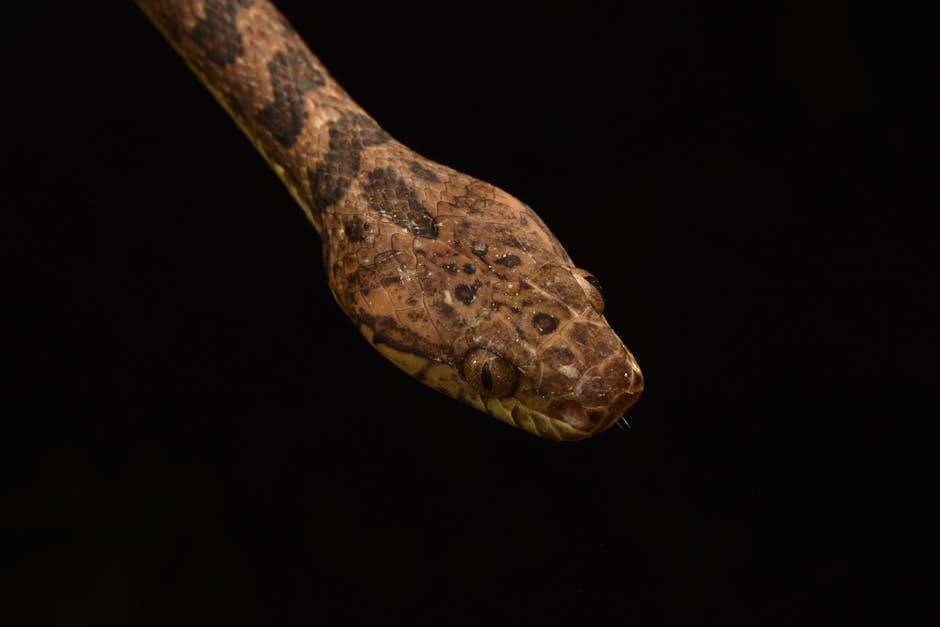
Hognose snakes are captivating colubrids renowned for their distinctive upturned snouts, used for digging and foraging. These non-venomous snakes exhibit fascinating defensive behaviors, most notably thanatosis – convincingly playing dead to deter predators. This dramatic display involves flipping onto their backs, opening their mouths, and sometimes even emitting a foul musk.
They are relatively small snakes, making them popular choices for reptile enthusiasts. However, their unique personalities and specific care requirements necessitate thorough research before ownership. Understanding their natural instincts, like their preference for burrowing and their somewhat shy temperament, is crucial for providing a suitable environment. Recognizing these behaviors allows keepers to create a stress-free and enriching habitat, promoting a healthy and happy snake. Their “zombie” act is truly remarkable!
Species Differentiation: Eastern vs. Western
Eastern and Western Hognose Snakes, while similar, possess key distinctions. Eastern Hognose Snakes (Heterodon platirhinos) generally exhibit a more robust build and a pronounced upturned snout. Their coloration varies, often displaying darker blotches on a lighter background, and they are found primarily in the eastern United States.
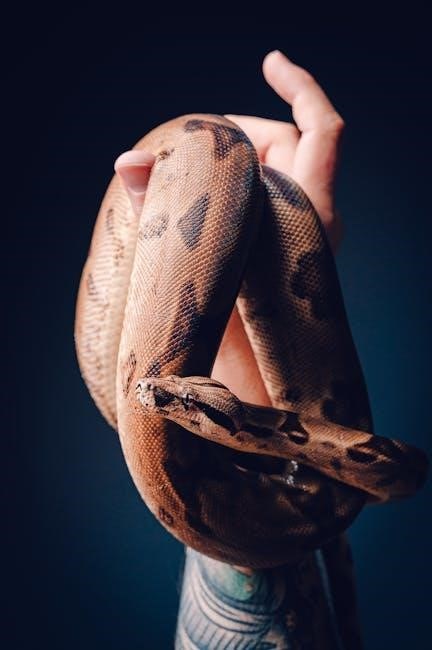
Western Hognose Snakes (Heterodon nasicus) are typically smaller and more slender, with a less dramatically upturned snout. Their patterns tend to be more intricate, featuring smaller blotches and often a reddish or orange hue. They inhabit the central and southwestern United States. Understanding these differences is vital for providing species-specific care, as their habitat preferences and dietary needs can subtly vary. Accurate identification ensures appropriate husbandry practices.
Natural Habitat and Distribution
Hognose Snakes thrive in diverse habitats, ranging from woodlands and prairies to open fields and sandy areas. Eastern Hognose Snakes are commonly found in the eastern and central United States, favoring areas with loose soil for burrowing and ample prey. Western Hognose Snakes inhabit the central and southwestern United States, often near grasslands and scrublands.
These snakes are adaptable but prefer environments with access to sunlight for basking and cover for protection. They frequently utilize abandoned rodent burrows and leaf litter. Understanding their natural distribution and habitat preferences is crucial for replicating suitable conditions in captivity, ensuring their comfort and well-being. Mimicking their native environment supports natural behaviors.

Setting Up the Perfect Habitat
Recreate their natural world with a secure terrarium, appropriate substrate, controlled temperature and humidity, and consider a bioactive setup for enrichment.
Terrarium Size and Enclosure Type
Choosing the right enclosure is paramount for your hognose snake’s well-being. Hatchlings can comfortably start in a 20-gallon long terrarium, providing ample space for exploration and thermoregulation. However, as they grow – and Western Hognose snakes typically remain smaller than their Eastern counterparts – upgrading to a 40-gallon breeder tank is highly recommended for adults.
Material-wise, glass terrariums are popular due to their visibility and ease of cleaning. Plastic tubs can also be used, particularly for younger snakes or quarantine setups, but ensure adequate ventilation. Secure lids are absolutely essential; hognose snakes are notorious escape artists! The enclosure should be designed to mimic their natural environment, offering both hiding spots and open areas. A well-planned layout contributes significantly to a happy and healthy snake.
Substrate Selection for Hognose Snakes
Selecting the appropriate substrate is crucial for maintaining proper humidity and allowing natural burrowing behaviors. A mix of topsoil, playsand, and coconut fiber is an excellent choice, creating a digging medium that closely resembles their native habitat. This blend also holds moisture well, aiding in shedding. Avoid substrates like cedar or pine shavings, as they contain oils harmful to reptiles.
For bioactive setups, a layered substrate including drainage, mesh separation, and a bioactive mix is ideal. Paper towels are suitable for quarantine or young snakes, offering easy cleaning, but aren’t enriching. Cypress mulch can also be used, but monitor humidity carefully. Regularly spot-clean the substrate and perform full changes as needed to maintain a hygienic environment for your hognose.
Temperature and Humidity Control
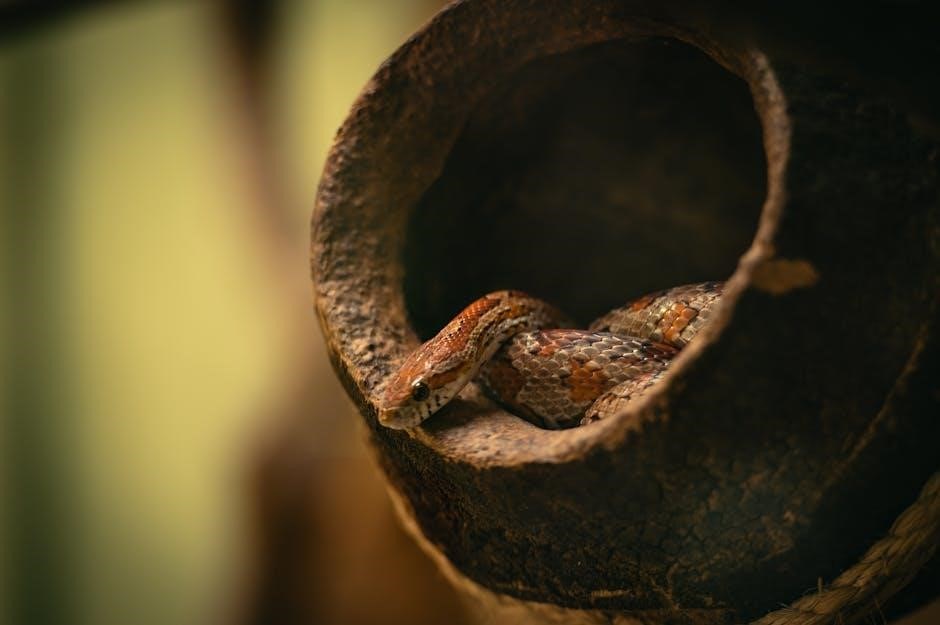
Maintaining correct temperature gradients is vital for a hognose snake’s health. Provide a basking spot of 85-90°F (29-32°C) and a cool side around 75-80°F (24-27°C); Utilize a thermostat-controlled heat mat or ceramic heat emitter to achieve this, avoiding heat rocks. Nighttime temperatures can safely drop to 70-75°F (21-24°C).
Humidity levels should be maintained between 40-60%, increasing to 60-70% during shedding. Regularly mist the enclosure or provide a humid hide box filled with damp sphagnum moss. Monitor humidity with a digital hygrometer. Proper ventilation is also essential to prevent respiratory infections. Consistent monitoring and adjustment are key to creating a comfortable and healthy environment.
Creating a Bioactive Terrarium
A bioactive setup mimics the snake’s natural environment, fostering a self-sustaining ecosystem. Begin with a drainage layer of clay balls, separated from the substrate by mesh. The substrate mix should include topsoil, sand, and organic matter like leaf litter and coco coir.
Introduce beneficial invertebrates – springtails and isopods – to consume waste and mold, acting as a natural cleaning crew. Live plants not only enhance aesthetics but also contribute to humidity and provide hiding spots. Choose snake-safe species like pothos or snake plants. Regular misting and occasional supplementation will maintain the bioactive balance, creating a thriving and enriching habitat for your hognose.
Diet and Feeding
Providing a varied diet of appropriately sized mice or chicks, and occasionally eggs, ensures optimal health and mimics natural foraging behaviors for your hognose.
Appropriate Food Sources (Mice, Eggs)
Hognose snakes exhibit a diverse palate, accepting a variety of food items in captivity. The cornerstone of their diet typically consists of appropriately sized mice, whether frozen-thawed or, less commonly, live. The size of the mouse should correspond to the snake’s girth at its widest point – avoid offering prey significantly larger than this, as it can lead to regurgitation or digestive issues.
Beyond mice, hognose snakes readily consume eggs, presenting a nutritious and enriching addition to their meals. Chicken or quail eggs are suitable options, and offering them can stimulate natural foraging instincts. Some individuals may also accept chicks, though this is less common and should be offered sparingly. It’s crucial to source food from reputable breeders to ensure quality and minimize the risk of parasites or diseases. Variety is key to a healthy hognose, so rotating between mice and eggs is highly recommended.
Feeding Schedule and Portion Control
Establishing a consistent feeding schedule is vital for maintaining a healthy hognose snake. Hatchlings and juveniles, experiencing rapid growth, require more frequent meals – typically every 5-7 days. As they mature, the feeding frequency can be reduced to once every 7-14 days. Adult hognose snakes may only need to be fed every two weeks, or even less frequently, depending on their individual metabolism and body condition.
Portion control is equally important. Offer a prey item that is approximately the same girth as the snake’s widest point. Avoid overfeeding, as obesity can lead to health problems. Monitor your snake’s weight and body condition regularly; a slight indentation above the spine indicates a healthy weight. Adjust the portion size or feeding frequency as needed to maintain an ideal body condition. Observe your snake after feeding to ensure proper digestion and watch for any signs of regurgitation.
Vitamin and Mineral Supplementation
While a well-rounded diet of appropriately sized prey typically provides most necessary nutrients, occasional supplementation can benefit hognose snakes, particularly those bred in captivity. Dusting prey items with a calcium supplement, especially for growing juveniles and breeding females, ensures adequate calcium intake for strong bone development and egg production. A multivitamin supplement, used sparingly – perhaps once a month – can help address any potential nutritional gaps.
However, over-supplementation can be detrimental. Excessive vitamin D3, for example, can lead to hypercalcemia. It’s crucial to choose reptile-specific supplements and follow the manufacturer’s instructions carefully. Consult with a veterinarian specializing in reptiles to determine if supplementation is necessary for your individual snake, considering its age, health status, and diet.
Handling and Temperament
Hognose snakes are known for their dramatic defensive displays, but with gentle, consistent handling, they can become surprisingly tolerant and even enjoy interaction.
Understanding Defensive Behaviors (Playing Dead)
Hognose snakes are masters of deception, employing a fascinating suite of defensive behaviors when feeling threatened. The most iconic is thanatosis – convincingly “playing dead.” This isn’t simply flopping over; it’s a complex performance. They’ll roll onto their backs, open their mouths, and even extend their tongue, mimicking decay.
Often, they’ll release a foul-smelling musk as part of this act, further enhancing the illusion of a deceased creature. They may even thrash around initially, adding to the dramatic effect. This behavior is an evolved strategy to deter predators, as many would prefer to avoid consuming a potentially rotting carcass.
It’s crucial to understand this isn’t aggression; it’s fear. Never attempt to “wake” a hognose during this display, as it can escalate their stress. Allow them to complete the act and calm down before gently returning them to their enclosure. Recognizing and respecting this behavior is key to building trust and ensuring a stress-free environment for your snake.
Safe Handling Techniques
Gentle and consistent handling is vital for a well-adjusted hognose snake, but understanding their temperament is paramount. Approach slowly and avoid sudden movements that could startle them. Support the snake’s body evenly, using both hands – one supporting the mid-body and the other supporting the tail.
Never grip tightly, as this can cause stress and potentially injury. Allow the snake to move freely through your hands, rather than restricting its movement. Short, frequent handling sessions are preferable to long, infrequent ones. Always wash your hands before and after handling to prevent the spread of bacteria.
Be mindful of their defensive displays; if a snake begins to play dead, immediately cease handling and allow it to calm down. Respect their boundaries and avoid handling during shedding or after feeding. Patience and a calm demeanor will foster a positive handling experience for both you and your hognose.
Socialization and Interaction
While not inherently social creatures like some reptiles, hognose snakes can become accustomed to human interaction with consistent, gentle handling. Early and frequent, though brief, handling sessions are key to building trust and reducing stress. Remember, they don’t crave affection but can learn to tolerate, and even seem to enjoy, calm interaction.
Avoid forcing interaction if the snake is displaying defensive behaviors like puffing up, hissing, or playing dead. Respect their need for space and allow them to approach you on their own terms. Enrichment activities, such as providing novel scents or exploring different textures, can also stimulate their minds and contribute to their overall well-being.
Consistent positive interactions will help your hognose snake become more comfortable and confident, leading to a more rewarding relationship for both of you. Patience is crucial; each snake has its own personality and pace.
Health and Common Issues
Proactive observation is vital; watch for lethargy, respiratory signs, or shedding problems, and seek immediate veterinary attention when concerns arise.
Recognizing Signs of Illness
Early detection is crucial for successful treatment of any health issue in your hognose snake. Regularly observe your snake’s behavior and physical condition. A healthy hognose will be alert and responsive. Watch for changes in appetite – a sudden loss of interest in food is a significant red flag;
Look for physical symptoms such as labored breathing, wheezing, or discharge from the nostrils, which could indicate a respiratory infection. Cloudy eyes or retained shed can also signal underlying health problems. Lethargy, weakness, or unusual posture are also concerning signs.
Pay attention to fecal matter; abnormal consistency or the presence of blood warrants a vet visit. Weight loss, despite a consistent feeding schedule, is another indicator of potential illness. Consistent monitoring and prompt action are key to ensuring your hognose snake remains healthy and thriving.
Common Health Problems (Respiratory Infections, Shedding Issues)
Respiratory infections are prevalent, often stemming from improper temperature or humidity levels. Symptoms include wheezing, nasal discharge, and open-mouth breathing. Prompt veterinary attention and adjusted environmental controls are vital. Shedding issues, like retained eye caps or incomplete sheds, frequently indicate insufficient humidity or lack of proper rough surfaces.
Providing a humid hide and ensuring appropriate substrate moisture can resolve minor shedding problems. However, persistent issues or stuck shed around the eyes require veterinary intervention to prevent infection or tissue damage.
Mites and parasites, though less common, can also affect hognose snakes. Regular inspection and preventative measures are essential. Maintaining a clean habitat and quarantining new snakes minimizes the risk of infestation. Early diagnosis and treatment are crucial for a full recovery.
Veterinary Care and Preventative Measures
Regular veterinary check-ups are paramount, even in the absence of visible illness. A reptile veterinarian can assess overall health, detect early signs of disease, and provide tailored advice. Preventative care includes maintaining optimal temperature and humidity, offering a balanced diet, and ensuring a clean, stimulating environment.
Quarantine new snakes for at least 60-90 days to monitor for any health issues before introducing them to existing collections. Routine fecal examinations can identify internal parasites.
Proper hygiene practices, such as disinfecting enclosures and washing hands after handling, minimize the spread of pathogens. Be vigilant for any changes in behavior, appetite, or physical appearance, and seek veterinary attention promptly if concerns arise. Proactive care significantly enhances your hognose snake’s longevity and quality of life.
Breeding Hognose Snakes
Successful breeding requires careful consideration of seasonal cycles, proper cooling periods, and providing suitable egg incubation conditions for healthy hatchlings.
Breeding Season and Mating Rituals
The breeding season for hognose snakes typically commences following a period of brumation, a reptile’s equivalent of hibernation, usually in the spring. Successful breeding hinges on properly preparing both males and females. This preparation involves ensuring they are at optimal weight and health before initiating the cooling period. During brumation, temperatures are gradually lowered to stimulate breeding behavior.
Mating rituals are often elaborate, with males engaging in combat displays to establish dominance and win the right to mate with receptive females. These displays can involve intertwining bodies and pushing matches, though serious injury is rare. Females signal their readiness to mate through pheromonal cues. Once a male successfully courts a female, copulation can last for several hours, and may occur multiple times over a period of days or weeks. Observing these interactions provides valuable insight into the health and compatibility of your snakes.
Egg Incubation and Hatchling Care
Following successful mating, the female hognose snake will lay a clutch of eggs, typically ranging from 2 to 20, depending on the species and individual. These eggs are leathery and require specific incubation conditions to hatch successfully. A common substrate for incubation is vermiculite or perlite, moistened to retain humidity but not saturated.
Maintaining a consistent temperature between 82-88°F (28-31°C) is crucial for proper development; Incubation typically lasts between 60-80 days. Once hatched, hatchlings are fully independent and require appropriately sized prey items, such as pinky mice or appropriately sized reptile food. Providing a humid hide box aids in their first shed. Careful monitoring of hatchling weight and feeding response is essential to ensure their healthy start in life, and a clean environment is paramount.