Cheetah 16 127cc Lawn Mower Manual: A Comprehensive Guide
This manual provides detailed instructions for the Cheetah 16 127cc lawn mower‚ ensuring safe operation‚ proper maintenance‚ and optimal performance for years to come.
Welcome to the world of efficient lawn care! This manual serves as your comprehensive guide to operating and maintaining the Cheetah 16 127cc lawn mower. Designed for homeowners seeking a reliable and powerful cutting solution‚ this mower combines a robust 127cc engine with a user-friendly design.
Whether you’re tackling a small residential lawn or a more expansive garden‚ the Cheetah 16 is engineered to deliver a clean and precise cut; This manual details everything from initial assembly and safety precautions to routine maintenance procedures. Understanding each component and following the provided instructions will maximize the lifespan and performance of your new lawn mower‚ ensuring years of trouble-free operation and a beautifully manicured lawn.
Safety Precautions and Warnings
Prioritize safety during operation! Always disconnect the spark plug wire before performing any maintenance or adjustments. Never operate the mower with missing or damaged safety guards. Keep children and pets well clear of the mowing area.
Wear appropriate safety glasses and sturdy footwear. Avoid loose clothing that could become entangled. Refuel only when the engine is cool and in a well-ventilated area. Be mindful of bystanders and potential projectiles. Never attempt to override safety mechanisms. Inspect the lawn for obstructions before each use. Following these precautions will significantly reduce the risk of injury and ensure a safe mowing experience.
Understanding Your Lawn Mower
Familiarize yourself with the Cheetah 16 127cc mower’s design‚ including its core components‚ engine specifics‚ and cutting system‚ for effective operation and upkeep.
Key Components and Their Functions
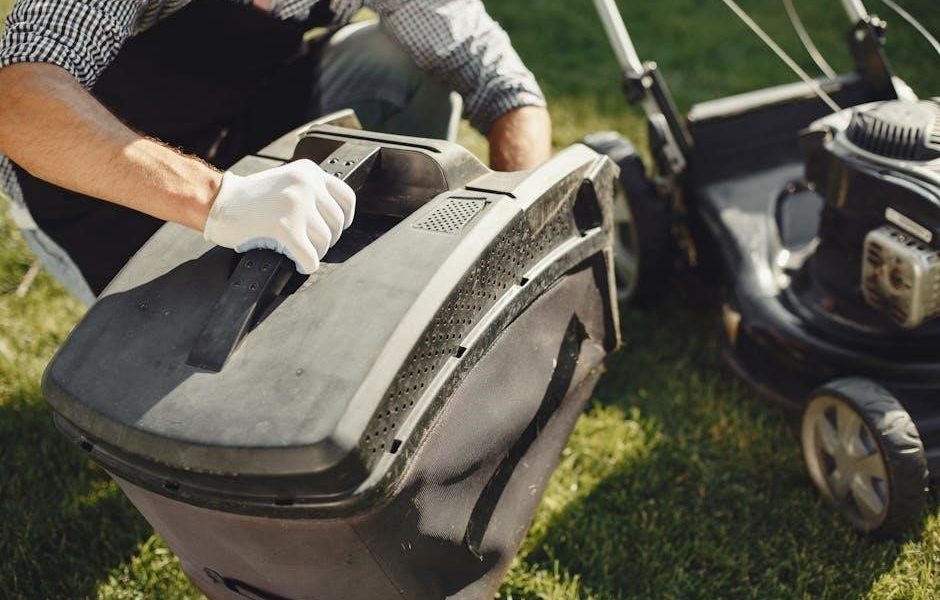
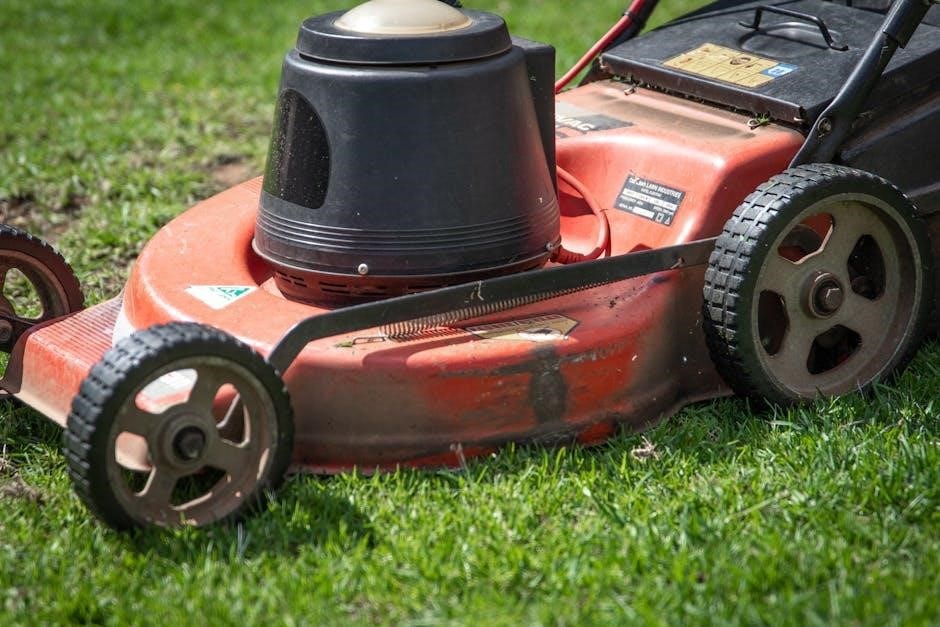
The Cheetah 16 127cc lawn mower comprises several key components working in harmony. The 127cc engine provides the power‚ driving the rotating blade responsible for cutting the grass. The deck houses the blade and directs airflow for efficient clippings discharge.
The handle allows for comfortable maneuverability‚ while the wheels ensure smooth movement across the lawn. A grass catcher collects clippings‚ maintaining a tidy appearance. Crucially‚ the safety features‚ including a blade brake and operator presence control‚ prioritize user safety. Understanding each component’s function is vital for proper operation and maintenance. Regular inspection of these parts ensures longevity and optimal performance of your Cheetah mower.
Engine Specifications (127cc)
The Cheetah 16 lawn mower is powered by a robust 127cc‚ single-cylinder‚ four-stroke engine. This engine delivers reliable performance for various lawn sizes and grass conditions. It features an air-cooled system‚ ensuring efficient operation even during extended use. The engine boasts a displacement of 127 cubic centimeters‚ providing ample power without excessive weight.
Fuel consumption is optimized for extended run times‚ and the engine is designed for relatively quiet operation. Regular maintenance‚ including oil changes and air filter cleaning‚ is crucial for maintaining peak performance. The engine’s specifications contribute to the mower’s overall efficiency and user-friendly experience‚ making lawn care a breeze.
Blade and Cutting System Overview
The Cheetah 16 utilizes a durable‚ high-carbon steel blade designed for efficient cutting and long-lasting performance. The blade’s length and angle are optimized to create a clean‚ even cut with each pass. This mower features a rotating cutting system‚ powered directly by the 127cc engine‚ ensuring consistent blade speed.
Cutting height adjustment is easily accessible‚ allowing users to select their desired grass length. Regular blade sharpening is essential for maintaining optimal cutting quality and preventing strain on the engine. Proper blade balancing is also crucial to minimize vibration and ensure smooth operation. Safety features include a blade brake system.

Assembly and Preparation
Before first use‚ carefully unpack the Cheetah 16 and inspect all components. Proper assembly‚ including handle attachment‚ is vital for safe and effective operation.
Unboxing and Initial Inspection
Carefully remove the Cheetah 16 127cc lawn mower from its packaging‚ taking care not to damage any components. A thorough initial inspection is crucial. Verify that all listed parts are present‚ referencing the parts list included within this manual.
Check for any visible damage incurred during shipping – dents‚ scratches‚ or broken pieces. Inspect the engine for loose parts or fluid leaks. Ensure the blade is securely attached‚ but do not handle the blade directly without protective gloves.
Confirm the presence of the operator’s manual‚ safety warnings‚ and any included tools. Retain the packaging materials for potential warranty claims or returns. Report any missing or damaged parts to the retailer immediately. Proper documentation of initial condition is recommended.
Attaching the Handle and Other Parts
Begin by attaching the handle to the mower’s chassis using the provided bolts and washers. Ensure the handle is securely fastened‚ providing a comfortable and stable grip during operation. Refer to the diagram for correct orientation.
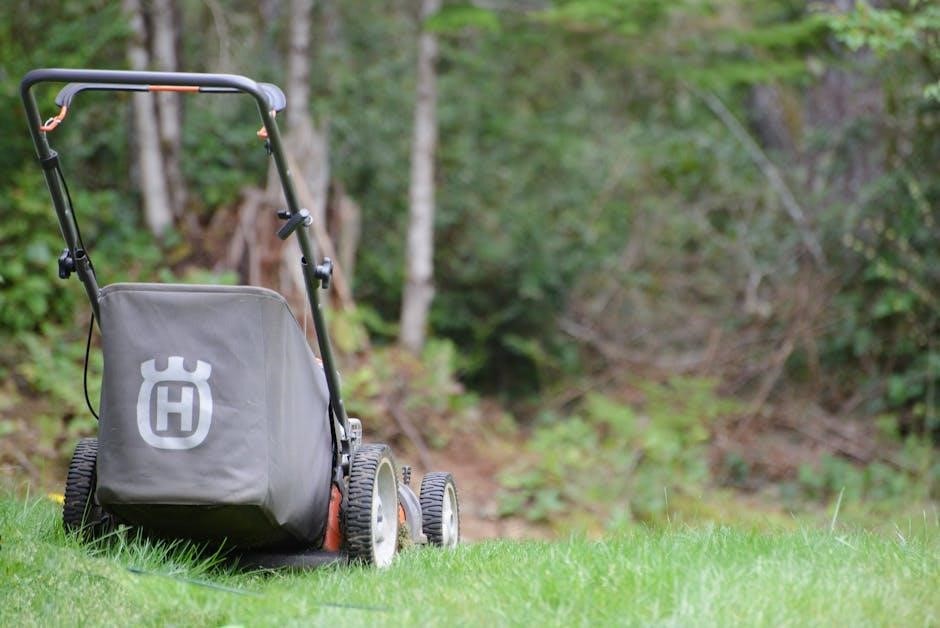
Next‚ install any remaining parts‚ such as the grass catcher bag frame or side discharge chute‚ following the illustrated steps. Double-check all connections to prevent loosening during use.
Verify proper alignment of all components before tightening all fasteners completely. Do not overtighten‚ as this could damage the plastic parts. A properly assembled mower ensures safe and efficient operation. Retain any extra hardware for future maintenance needs.
Oil and Fuel Filling Procedures
Before initial use‚ and regularly thereafter‚ check the oil level using the dipstick. Add SAE 30 oil‚ or 10W-30 for cooler climates‚ to the recommended fill line – do not overfill. Always ensure the mower is on a level surface during this process.
For fuel‚ use fresh‚ unleaded gasoline with an octane rating of 87 or higher. Carefully pour fuel into the fuel tank‚ avoiding spillage. Do not fill above the neck of the tank to allow for expansion.
Wipe up any spilled fuel immediately and allow it to evaporate before starting the engine. Never fuel a running or hot engine. Store fuel in an approved container‚ away from heat sources.

Operating Instructions
Follow these steps for safe and effective mowing: ensure a clear area‚ check oil/fuel levels‚ engage the blade‚ and maintain a steady walking pace.
Starting the Engine – Cold Start
Before attempting a cold start‚ verify the fuel tank contains fresh gasoline and the oil level is within the recommended range. Engage the parking brake for safety. Locate the primer bulb and press it firmly 3-5 times to introduce fuel into the carburetor.
Next‚ move the choke lever to the ‘ON’ or ‘CLOSED’ position – this enriches the fuel mixture for easier ignition in cold conditions. Grip the starter handle firmly and pull it slowly until you feel resistance‚ then give a brisk‚ full pull. Repeat this process several times until the engine sputters and attempts to start.
Once the engine starts‚ gradually move the choke lever to the ‘OFF’ or ‘OPEN’ position as the engine warms up. Allow the engine to run for a few minutes to stabilize before engaging the blade and commencing mowing.
Starting the Engine – Warm Start
When starting a warm engine‚ the procedure differs slightly from a cold start. Ensure the parking brake is engaged for safety. The choke lever should generally be in the ‘OFF’ or ‘OPEN’ position‚ as the engine retains residual heat and fuel.
Grip the starter handle firmly and pull it with a smooth‚ deliberate motion. A warm engine typically requires less pulling effort than a cold one. Avoid excessive priming‚ as this can flood the engine.
If the engine doesn’t start immediately‚ try a second pull. If it still fails to ignite‚ briefly engage the choke and attempt another pull. Once running‚ allow the engine to stabilize before engaging the blade and beginning your mowing task.
Mowing Techniques for Optimal Results
Achieving a beautifully manicured lawn with your Cheetah 16 127cc mower requires employing effective mowing techniques. Overlap each mowing pass by a few inches to prevent scalping and ensure a consistent cut. Vary your mowing pattern with each session – horizontal‚ vertical‚ and diagonal – to promote upright grass growth.
Adjust the cutting height according to your grass type and desired lawn length. Avoid removing more than one-third of the grass blade’s height in a single mowing. This prevents stress on the grass and promotes healthier growth.
Mow when the grass is dry for a cleaner cut and to prevent clogging. Regularly empty the grass catcher to maintain optimal performance.
Maintenance and Care
Regular upkeep is crucial for extending the life of your Cheetah 16 127cc lawn mower and ensuring peak performance season after season.
Regular Cleaning Procedures
Maintaining a clean lawn mower is essential for optimal performance and longevity. After each use‚ disconnect the spark plug wire to prevent accidental starting. Remove any accumulated grass clippings and debris from the underside of the deck using a scraper or a garden hose – never direct a high-pressure stream of water at the engine or electrical components.
Clean the exterior surfaces with a damp cloth and mild detergent. Pay particular attention to the air intake areas‚ ensuring they are free from obstructions. Inspect the blade for damage and clean it thoroughly. A clean mower operates more efficiently and reduces the risk of component failure. Regular cleaning also allows for easier identification of potential maintenance needs‚ like loose bolts or worn parts.

Air Filter Maintenance
A clean air filter is crucial for engine performance. Check the air filter every 25 hours of operation‚ or more frequently in dusty conditions. To access the filter‚ locate the air filter housing – typically a plastic cover on the engine. Remove the cover and inspect the filter for dirt and debris.
If the filter is lightly soiled‚ gently tap it to remove loose particles. For heavily soiled filters‚ replace it with a new one. Do not attempt to wash a paper air filter‚ as this can damage it; Ensure the new filter is properly seated before reattaching the air filter housing. A restricted air filter reduces engine power and increases fuel consumption.
Spark Plug Inspection and Replacement
Regular spark plug inspection ensures reliable engine starting and efficient combustion. Disconnect the spark plug wire before inspecting or replacing the plug. Remove the spark plug using a spark plug wrench‚ checking its condition. Look for signs of fouling‚ wear‚ or damage to the ceramic insulator.
A properly gapped spark plug is essential. Consult the engine specifications for the correct gap setting. Use a spark plug gap tool to adjust the gap if necessary. If the spark plug is worn or damaged‚ replace it with a new one of the correct type. Reconnect the spark plug wire securely after installation. A faulty spark plug can cause starting difficulties and reduced engine power.
Blade Sharpening and Balancing
A sharp blade ensures a clean cut and healthy lawn. Disconnect the spark plug wire before working on the blade! Remove the blade carefully‚ noting its orientation. Inspect the blade for dullness‚ nicks‚ or damage. Sharpen the blade using a metal file or a blade sharpening tool‚ maintaining the original angle.
Blade balancing is crucial to prevent vibration and damage. Use a blade balancer to check for imbalance. If the blade is unbalanced‚ grind metal from the heavier side until it balances evenly. Reinstall the blade correctly‚ ensuring it’s securely tightened. A dull or unbalanced blade strains the engine and provides a poor cut.
Oil Change Procedures
Regular oil changes are vital for engine longevity. Warm up the engine briefly‚ then disconnect the spark plug. Locate the oil drain plug beneath the mower. Place a suitable container underneath to catch the used oil. Remove the drain plug and allow the oil to drain completely.
Reinstall the drain plug securely. Locate the oil fill cap and add the recommended oil type (refer to engine specifications) to the appropriate level‚ using a funnel to avoid spills. Check the oil level with the dipstick. Dispose of used oil responsibly at a recycling center. Consistent oil changes ensure smooth operation and prevent engine wear.

Troubleshooting Common Issues
This section details solutions for typical problems‚ like starting difficulties‚ rough running‚ or blade engagement failures‚ ensuring quick resolutions and minimal downtime.
Engine Won’t Start
If the engine fails to start‚ first verify the fuel tank contains fresh gasoline and the fuel shut-off valve (if equipped) is open. Check the spark plug wire connection – ensure it’s securely attached to the spark plug. A fouled or wet spark plug is a common culprit; remove it‚ dry it‚ and re-install‚ or replace it with a new one.
Confirm the choke is engaged for cold starts‚ and disengaged for warm restarts. Inspect the air filter for obstructions; a clogged filter restricts airflow. Lastly‚ ensure the safety bail handle is fully engaged‚ as this activates the engine’s safety switch. If these steps don’t resolve the issue‚ professional servicing may be required to diagnose more complex problems.
Engine Runs Rough
A rough-running engine often indicates fuel or air delivery issues. Begin by checking the air filter; a dirty filter restricts airflow‚ causing an imbalance in the fuel-air mixture. Inspect the spark plug for fouling – carbon buildup can disrupt ignition. Ensure you’re using the correct fuel mixture (refer to the ‘Fuel Types and Mixes’ section).
Old or stale fuel can also cause rough running; drain the tank and refill with fresh gasoline. A partially clogged carburetor might be the issue‚ requiring cleaning or professional adjustment. Listen for unusual noises‚ which could indicate internal engine problems needing expert attention.
Blade Not Engaging
If the blade isn’t spinning‚ first ensure the engine is running correctly. Check the blade engagement cable – it may be loose or disconnected. Inspect the cable’s path for obstructions hindering its movement. Verify the blade brake lever is fully disengaged; it prevents accidental blade start-up.
A broken or worn belt connecting the engine to the blade can also cause this issue; examine the belt for damage and replace if necessary. If problems persist‚ a faulty blade brake mechanism might require professional repair. Never attempt to manually force the blade to engage!

Advanced Topics & Considerations
For longevity‚ proper winter storage is crucial. Understanding fuel types and identifying worn parts will maximize your Cheetah 16 127cc mower’s lifespan.
Winter Storage Preparation
Preparing your Cheetah 16 127cc lawn mower for winter storage is essential for ensuring a quick and easy start next season. Begin by thoroughly cleaning the mower deck‚ removing any accumulated grass clippings and debris. Drain the fuel tank completely to prevent fuel degradation and potential carburetor issues. It’s also recommended to run the engine until it stalls to empty the carburetor.
Remove the spark plug and pour a tablespoon of engine oil into the cylinder‚ then slowly pull the starter cord several times to distribute the oil. This protects the cylinder walls from rust. Check and‚ if necessary‚ replace the air filter. Finally‚ store the mower in a dry‚ covered location‚ protecting it from the elements. A tarp or shed is ideal. Consider a fuel stabilizer if complete fuel draining isn’t possible.
Understanding Fuel Types and Mixes
The Cheetah 16 127cc lawn mower typically requires unleaded gasoline with an octane rating of 87 or higher. Avoid using ethanol blends exceeding 10% (E10)‚ as higher ethanol content can damage fuel lines and carburetor components. Always check the fuel cap for specific recommendations.
Some older models‚ or those used infrequently‚ may benefit from a fuel stabilizer added to the gasoline to prevent fuel degradation during storage. Do not mix oil with gasoline unless specifically instructed – this engine is designed to run on straight gasoline. Using pre-mixed fuel can cause severe engine damage. Always ensure fresh fuel is used‚ especially after prolonged storage‚ for optimal performance.
Identifying and Replacing Worn Parts
Regular inspection is crucial for identifying worn parts. Check the blade for dullness or damage‚ the air filter for dirt accumulation‚ and the spark plug for fouling. Worn blades reduce cutting efficiency and can strain the engine. A dirty air filter restricts airflow‚ impacting performance. A faulty spark plug causes starting difficulties.
Replacement parts can be sourced from authorized Cheetah dealers or online retailers. Always use genuine Cheetah replacement parts to ensure compatibility and maintain warranty validity. Refer to the parts diagram in this manual for correct part numbers. Disconnect the spark plug wire before performing any repairs for safety.
Warranty Information and Support
Cheetah offers a limited warranty on the 16 127cc lawn mower‚ covering manufacturing defects. Contact customer support for assistance and detailed warranty terms.
Cheetah Lawn Mower Warranty Details
The Cheetah 16 127cc lawn mower is protected by a comprehensive warranty‚ designed to provide peace of mind to our valued customers. This warranty covers defects in materials and workmanship for a period of one year from the original date of purchase.
Specifically‚ the warranty encompasses all manufacturer defects occurring during normal residential use. Items excluded from coverage include damage resulting from misuse‚ abuse‚ improper maintenance‚ accidents‚ or alterations. Normal wear and tear‚ such as blade dulling or belt stretching‚ is also not covered.
To make a warranty claim‚ please retain your original proof of purchase and contact Cheetah customer support. A representative will guide you through the process‚ which may involve providing photos or returning the product for inspection. Warranty service is performed by authorized Cheetah service centers.
Contacting Customer Support
For any questions‚ concerns‚ or assistance regarding your Cheetah 16 127cc lawn mower‚ our dedicated customer support team is readily available. We strive to provide prompt and helpful service to ensure your complete satisfaction.
You can reach us via several convenient channels. Our toll-free phone number is 1-800-CHEETAH (1-800-243-3824)‚ available Monday through Friday‚ 9 AM to 5 PM Eastern Time. Alternatively‚ you can email us at support@cheetalawn.com‚ and we will respond within 24-48 business hours.
Visit our comprehensive website at www.cheetalawn.com for FAQs‚ troubleshooting guides‚ and downloadable resources. Live chat support is also available during business hours. Please have your model number and purchase date ready when contacting support to expedite the process.