Kawasaki FR651V Manual: A Comprehensive Overview (Updated 02/03/2026)
This manual provides detailed guidance for the Kawasaki FR651V engine, covering installation, operation, maintenance, and troubleshooting procedures for optimal performance․
The Kawasaki FR651V is a robust, air-cooled, four-stroke engine widely utilized in various applications, including lawnmowers, pressure washers, and construction equipment․ This manual serves as a comprehensive resource for owners, technicians, and operators seeking to understand, maintain, and repair this powerful engine․ It details the FR651V’s core components, operational principles, and essential safety guidelines․
Proper understanding of this manual is crucial for ensuring safe operation, maximizing engine lifespan, and preventing costly repairs․ This guide will empower users to confidently perform routine maintenance and effectively diagnose potential issues, ultimately optimizing the performance of equipment powered by the Kawasaki FR651V․
Engine Specifications and Key Features
The Kawasaki FR651V boasts a displacement of 651cc, delivering substantial power for demanding tasks․ It features a V-twin cylinder configuration, ensuring smooth operation and reduced vibration․ Key specifications include a bore and stroke of 90mm x 78mm, and a compression ratio of 8․0:1․
Notable features encompass an automatic compression release (ACR) system for effortless starting, and a robust overhead valve (OHV) design for enhanced durability․ The engine utilizes a splash lubrication system and a canister air filter․ Its compact design and balanced construction contribute to its versatility and widespread application across diverse machinery․
Safety Precautions and Warnings
Always disconnect the spark plug wire before performing any maintenance to prevent accidental starting․ Fuel is highly flammable; handle it with extreme caution, away from open flames or sparks․ Never operate the engine in a poorly ventilated area, as exhaust fumes contain carbon monoxide, a deadly gas․
Wear appropriate safety glasses and gloves during all maintenance procedures․ Hot engine components can cause severe burns – allow sufficient cooling time before touching․ Ensure all guards and covers are securely in place before operation․ Regularly inspect for fuel leaks and address them immediately․ Follow all local safety regulations․
Installation and Mounting
Proper installation ensures reliable engine operation․ This section details mounting procedures, fuel system connections, and correct electrical wiring for the FR651V․
Mounting the FR651V Engine
Securely mounting the FR651V is crucial for vibration reduction and longevity․ Begin by preparing a stable, level mounting surface capable of supporting the engine’s weight․ Utilize the specified mounting bolts and washers, tightening them to the manufacturer’s recommended torque specifications – failure to do so can cause damage․
Ensure proper alignment with driven equipment, checking for any binding or stress on the engine mounts․ Regularly inspect the mounting hardware for looseness, especially after initial operation and during routine maintenance․ Consider using vibration dampening mounts for applications sensitive to vibration․
Connecting Fuel and Exhaust Systems
Proper fuel and exhaust connections are vital for safe and efficient FR651V operation․ Use fuel lines rated for gasoline, ensuring they are securely clamped to prevent leaks․ The fuel tank should be positioned below the carburetor/fuel injection system to facilitate gravity feed, or utilize a fuel pump as specified․
For the exhaust system, employ gaskets to create airtight seals, preventing dangerous exhaust gas leaks․ Verify proper exhaust routing to avoid flammable materials and ensure adequate clearance․ Regularly inspect all connections for damage or deterioration․
Electrical Connections and Wiring
Correct electrical connections are crucial for the FR651V’s functionality and safety․ Always disconnect the battery’s negative terminal before working on the wiring harness․ Utilize a wiring diagram to accurately identify each wire’s purpose․ Ensure all connections are clean, tight, and protected from corrosion using dielectric grease․
Pay close attention to grounding points, as poor grounding can cause various issues․ Securely route wires away from hot engine components and moving parts․ Double-check polarity before connecting the battery to prevent damage․

Operation and Maintenance
Proper operation and consistent maintenance are vital for extending the FR651V engine’s lifespan and ensuring reliable performance throughout its service life․
Starting and Stopping Procedures
Before starting the FR651V engine, confirm oil levels and fuel supply․ Engage the choke if necessary, especially in cold conditions, and ensure the throttle is set to the idle position․ Utilize the recoil starter or electric start, following the manual’s specific instructions․
To stop the engine, disengage the throttle and utilize the engine stop switch․ Avoid abrupt shutdowns under heavy load, allowing a brief cool-down period․ Regularly inspect the stop switch for proper functionality․ Following these procedures will contribute to the longevity and reliable operation of your Kawasaki FR651V engine․
Routine Maintenance Schedule
Adhering to a strict maintenance schedule is crucial for the FR651V’s lifespan․ Inspect the air filter every 25 hours of operation, cleaning or replacing as needed․ Check and adjust valve clearances every 100 hours․ Oil should be changed every 50 hours, or annually, whichever comes first․
Spark plugs require inspection and cleaning/replacement at 200-hour intervals․ Regularly inspect fuel lines and connections for leaks․ Following this schedule, detailed in the manual, ensures optimal performance and prevents costly repairs, maximizing the engine’s reliability․
Oil Change Procedures
Proper oil changes are vital for FR651V longevity․ First, warm the engine to operating temperature․ Locate the oil drain plug and position a suitable container underneath․ Carefully remove the plug, allowing the old oil to drain completely․ Replace the drain plug with a new washer, tightening to the specified torque․
Next, remove the oil filter and lubricate the gasket of a new filter with fresh oil․ Install the new filter, tightening by hand․ Finally, fill the engine with the recommended oil type and quantity, checking the oil level with the dipstick․

Troubleshooting Common Issues
This section details solutions for frequent FR651V problems, including starting difficulties, performance drops, and overheating, ensuring quick diagnosis and repair procedures․
Engine Starting Problems
Addressing starting issues with the Kawasaki FR651V requires a systematic approach․ First, verify fuel supply – check the tank level and fuel lines for obstructions․ Next, inspect the spark plug; a fouled or damaged plug will prevent ignition․ Ensure the correct spark plug gap is maintained for optimal performance․
Confirm the battery is fully charged and connections are clean and secure․ A weak battery struggles to turn the engine over․ Examine the recoil starter mechanism for damage or binding․ Lastly, assess the carburetor or fuel injection system; a clogged carburetor or faulty injector can hinder fuel delivery․ Following these steps will help pinpoint the root cause․

Performance Degradation Diagnosis
Diagnosing reduced performance in the Kawasaki FR651V begins with assessing overall engine operation․ Note any unusual noises, vibrations, or smoke․ Check the air filter for blockage, as a restricted airflow diminishes power․ Inspect the fuel system for contaminants or a weak fuel pump, impacting fuel delivery․
Evaluate the spark plug condition and ignition timing․ A misfiring spark plug or incorrect timing reduces combustion efficiency․ Compression testing reveals internal engine wear․ Finally, examine the exhaust system for obstructions, hindering exhaust flow and reducing power output․ Addressing these areas will restore optimal performance․
Overheating Issues and Solutions
Overheating in the Kawasaki FR651V engine demands immediate attention․ Initial checks involve verifying the cooling fan operation and ensuring adequate coolant levels․ Inspect the radiator for blockages – debris or corrosion restrict coolant flow․ A faulty thermostat prevents proper coolant circulation, causing overheating․
Examine the cooling fins for damage or obstructions․ Low oil levels increase friction and heat․ If overheating persists, assess the cylinder head gasket for leaks․ Addressing these issues promptly prevents severe engine damage and ensures reliable operation․ Regular maintenance is crucial for preventing overheating․
Detailed Component Breakdown
This section dissects the FR651V’s core systems: carburetor/fuel injection, ignition, and cooling․ Detailed diagrams and explanations aid in understanding each component’s function․
Carburetor/Fuel Injection System
The Kawasaki FR651V engine’s fuel delivery system is crucial for efficient operation․ This section details the carburetor’s components – float chamber, jets, and throttle valve – explaining their roles in air-fuel mixture regulation․ For fuel-injected models, we cover the fuel pump, fuel filter, injectors, and the electronic control unit (ECU) responsible for precise fuel metering․
Troubleshooting guides address common issues like clogged jets, fuel leaks, and injector malfunctions․ Diagrams illustrate the system’s layout, aiding in component identification and repair․ Proper cleaning and adjustment procedures are outlined to maintain optimal performance and fuel efficiency․ Understanding this system is vital for diagnosing and resolving engine running problems․
Ignition System Analysis
The Kawasaki FR651V’s ignition system is responsible for initiating combustion․ This section provides a detailed analysis of its components: the flywheel, ignition coil, spark plug, and the associated wiring․ We explain how these parts work together to generate the high-voltage spark needed for reliable engine starting and running․
Troubleshooting guides cover common issues like weak spark, ignition coil failure, and faulty wiring connections․ Procedures for checking spark plug condition and gap are included․ Diagrams illustrate the system’s wiring harness, aiding in fault isolation․ Maintaining a properly functioning ignition system is essential for maximizing engine power and efficiency․
Cooling System Examination
The Kawasaki FR651V engine utilizes a robust cooling system to prevent overheating and ensure optimal performance․ This section details the components, including the cooling fan, fan shroud, and cylinder head fins․ Proper airflow is crucial for dissipating heat effectively․ We outline procedures for inspecting the cooling fan’s operation and checking for obstructions that could restrict airflow․
Maintenance guidelines cover cleaning the cooling fins and verifying the fan shroud’s integrity․ Troubleshooting addresses issues like engine overheating, often caused by a malfunctioning fan or restricted airflow․ Diagrams illustrate the cooling system’s layout, aiding in diagnosis and repair․
Parts and Accessories
Genuine Kawasaki parts and compatible accessories enhance the FR651V engine’s performance and longevity․ Access detailed parts diagrams for easy identification and ordering․
Genuine Kawasaki Parts Sources
Securing genuine Kawasaki parts is crucial for maintaining the FR651V engine’s reliability and performance․ Official Kawasaki dealerships represent the primary source, guaranteeing authenticity and expert assistance with parts identification․ Online Kawasaki parts retailers also offer convenience, often with detailed diagrams and competitive pricing․ However, verifying the retailer’s credibility is paramount to avoid counterfeit components․
Always reference the FR651V engine’s serial number when ordering to ensure compatibility․ Kawasaki’s parts finder systems, available online and through dealerships, streamline the process․ Prioritizing genuine parts safeguards the engine’s warranty and ensures optimal functionality, preventing potential issues arising from inferior substitutes․
Compatible Accessories for FR651V
Enhancing the Kawasaki FR651V engine’s functionality and protection involves selecting compatible accessories․ High-quality air filters improve engine performance and longevity, while upgraded oil filters ensure optimal lubrication․ Noise reduction kits minimize operational sound levels, beneficial for residential or noise-sensitive environments․ Protective covers shield vital components from debris and weather elements․
Consider recoil starters for simplified starting, and fuel line kits for reliable fuel delivery․ Always verify accessory compatibility with the FR651V’s specific model and serial number․ Prioritize accessories from reputable brands known for quality and durability, ensuring seamless integration and sustained performance․
Understanding Parts Diagrams
Kawasaki FR651V parts diagrams are essential for accurate identification and ordering of replacement components․ These diagrams visually represent the engine’s assembly, showcasing each part’s location and relationship to others․ Key elements include reference numbers, part names, and quantity indicators․
Utilize the parts manual alongside the diagram to decipher part numbers and descriptions․ Pay close attention to revision levels, ensuring you’re referencing the correct diagram for your engine’s model year․ Online Kawasaki parts finders often integrate diagrams for interactive component selection, streamlining the repair process and minimizing errors․

Recent Kawasaki Motorcycle Launches in Malaysia (2024-2026)
Recent Malaysian Kawasaki releases (2024-2026) include the Eliminator 500, Z900, Ninja 500, ZX-4RR, Versys 1100, and Ninja 1100SX models․
2025 Modenas Kawasaki Eliminator 500
The 2025 Modenas Kawasaki Eliminator 500 debuted at the Malaysian MotoGP in November 2024, marking a significant addition to the local motorcycle market․ Priced at RM30,100, this cruiser-style motorcycle offers a blend of modern aesthetics and reliable Kawasaki engineering․ It caters to riders seeking a comfortable and stylish urban commuting experience․ While seemingly unrelated to the FR651V engine manual, the launch highlights Kawasaki’s continued investment and presence in Malaysia․ The Eliminator 500’s introduction alongside other new models demonstrates Kawasaki’s commitment to providing diverse options for Malaysian motorcyclists, showcasing their broader product portfolio beyond industrial engines․
2025 Kawasaki Z900
Launched in conjunction with the Kawasaki Technical Centre opening in Glenmarie, the 2025 Kawasaki Z900 is a naked sports bike available in two versions․ Though distinct from the FR651V engine detailed in this manual, the Z900 exemplifies Kawasaki’s broader engineering capabilities․ The Z900 represents Kawasaki’s dedication to performance motorcycles within the Malaysian market․ Its release alongside other 2025 models underscores the brand’s active presence and commitment to innovation․ While focused on a different segment, the Z900’s launch parallels Kawasaki’s overall strategy of delivering quality products to diverse customer needs․
2025 Kawasaki Ninja 500 & Ninja 500 SE
The 2025 Kawasaki Ninja 500 and its SE variant debuted in Malaysia with price points of RM28,100 and RM30,100 respectively․ These models, while showcasing Kawasaki’s broader motorcycle lineup, are separate from the FR651V engine focus of this manual․ The Ninja 500 series represents a commitment to accessible sportbike performance․ Pricing excludes standard costs like road tax, insurance, and registration․ This launch highlights Kawasaki’s continued investment in the Malaysian market, offering diverse options for riders․ Though differing in application, both models reflect Kawasaki’s quality standards․
2025 Kawasaki Z650RS
The 2025 Kawasaki Z650RS, a middleweight retro bike, launched in Malaysia priced at RM37,300․ This model, distinct from the FR651V engine’s application, caters to a different segment of the motorcycle market․ It faces competition within the local retro bike scene, offering a blend of classic styling and modern performance․ While the Z650RS showcases Kawasaki’s design versatility, this manual concentrates solely on the FR651V engine․ Its arrival demonstrates Kawasaki’s commitment to diverse offerings, appealing to riders seeking a nostalgic yet contemporary riding experience․
2026 Kawasaki ZX-4RR & ZX-4R SE
The 2026 Kawasaki ZX-4RR and ZX-4R SE entered the Malaysian sportsbike market priced at RM42,999 and RM40,999 respectively․ These high-performance machines represent a different engineering focus than the FR651V engine, designed for applications like industrial equipment․ While the ZX-4RR/SE prioritize speed and agility, this manual details the FR651V’s operational specifics․ Pricing excludes road tax, insurance, and registration․ Kawasaki’s introduction of these models highlights their broad product range, catering to enthusiasts seeking cutting-edge sportbike technology․
2025 Kawasaki Versys 1100
Officially launched in Malaysia, the 2025 Kawasaki Versys 1100 boasts a starting price of RM65,100․ It’s available in three variants: Standard, SE, and Tourer, offering diverse riding experiences․ This contrasts sharply with the FR651V engine’s purpose – powering equipment, not providing motorcycle transport․ The Versys 1100 focuses on versatility and comfort, while the FR651V prioritizes reliable power output for industrial applications․ Understanding this distinction is key; this manual details the FR651V’s specific maintenance and operational procedures, unrelated to motorcycle touring․
2026 Kawasaki Ninja 1100SX
The fifth-generation 2026 Kawasaki Ninja 1100SX sports-touring motorcycle is now available in Malaysia, priced at RM71,400․ This high-performance machine is a world away from the utilitarian focus of the Kawasaki FR651V engine․ While the Ninja 1100SX prioritizes speed and rider experience, the FR651V is engineered for consistent, dependable power in industrial settings․ This manual concentrates solely on the FR651V, detailing its specific components, maintenance schedules, and troubleshooting – information irrelevant to operating a motorcycle like the Ninja 1100SX․
2025 Modenas Kawasaki ZX-6R
Launched at the Petronas Malaysia Motorcycle Grand Prix, the 2025 Modenas Kawasaki ZX-6R is priced at RM59,900․ This supersport motorcycle represents a different engineering philosophy than the Kawasaki FR651V engine detailed in this manual․ While the ZX-6R focuses on peak performance and track capabilities, the FR651V is designed for reliable, long-term operation in applications like pressure washers and generators․ This guide provides comprehensive information regarding the FR651V’s assembly, operation, and maintenance – details entirely separate from the ZX-6R’s operation․
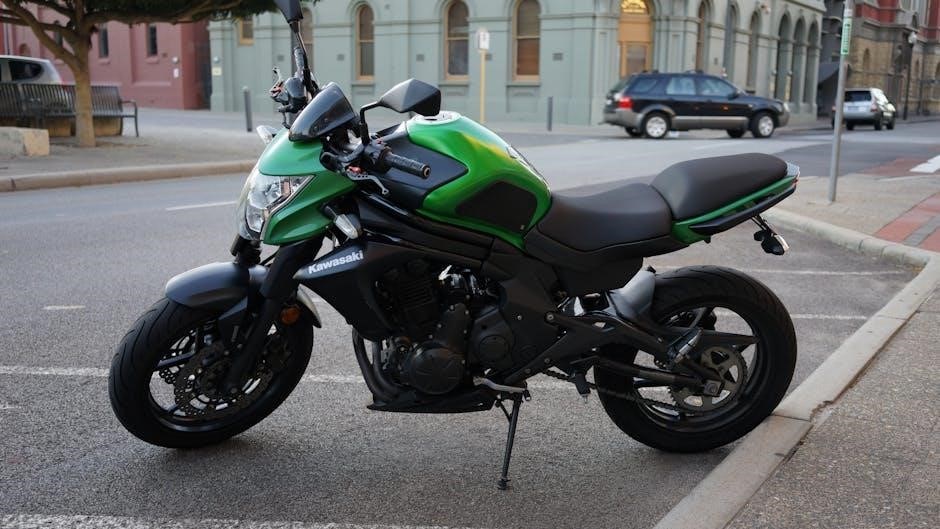
Kawasaki Branding and Ownership
Kawasaki’s historical legacy of engineering excellence extends to the FR651V engine, though ownership details differ from some branded products currently available․
Historical Overview of Kawasaki
Kawasaki Heavy Industries, Ltd․ boasts a rich history beginning in 1896, initially constructing ships․ Diversification followed, expanding into aerospace, motorcycles, and industrial robots․ The motorcycle division, established in 1966, quickly gained prominence with innovative designs and powerful engines․
While the FR651V engine is a more recent development, it embodies Kawasaki’s longstanding commitment to precision engineering and reliability․ Interestingly, information suggests a past acquisition of the Kawasaki brand by a Shenzhen-based company for specific product lines, but this doesn’t diminish the core technological foundation originating from Kawasaki Heavy Industries․
This heritage of innovation directly influences the quality and performance expected from engines like the FR651V, ensuring a legacy of dependable power solutions․
Current Ownership and Manufacturing Rights
Kawasaki Heavy Industries Ltd․ retains primary ownership and manufacturing rights for the FR651V engine, ensuring consistent quality control and adherence to stringent engineering standards․ However, complexities arise regarding branding in certain regions․
Information indicates Shenzhen Kawasaki Sporting Goods Co․, Ltd; acquired exclusive production and sales rights for the “KAWASAKI” trademark in specific product categories․ This doesn’t impact the core engine manufacturing process for models like the FR651V․
Therefore, while branding may vary geographically, the FR651V’s design, production, and core technology remain firmly under the control of Kawasaki Heavy Industries, guaranteeing authenticity and performance․