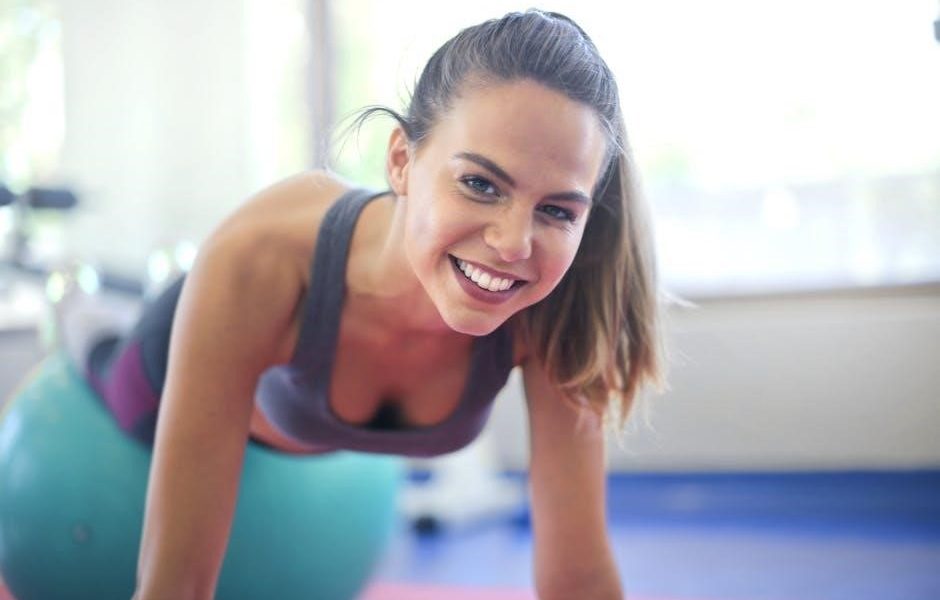
Neuromuscular re-education utilizes specific exercises, often found in downloadable PDF guides, to restore optimal movement patterns and function after injury or neurological events․
What is Neuromuscular Re-education?
Neuromuscular re-education is a specialized form of physical therapy focused on restoring the communication between the brain and muscles․ It’s about retraining the nervous system to activate muscles correctly, improving motor control and coordination․ Often, detailed exercise protocols are available as PDF resources, guiding patients through a progressive program․
These PDF guides frequently include exercises like PNF (Proprioceptive Neuromuscular Facilitation) techniques, balance drills utilizing tools like Bosu balls and therapeutic balls, and core stabilization exercises․ The goal isn’t simply strengthening, but rather, re-establishing efficient and natural movement patterns․ It addresses impairments in proprioception – your body’s awareness of its position in space – and sensory awareness․ Successful re-education requires focused attention and consistent practice, often with the guidance of a qualified physical therapist, utilizing resources like downloadable exercise PDFs․
The Importance of the Mind-Muscle Connection
Neuromuscular re-education heavily emphasizes the mind-muscle connection – the conscious effort to activate and control specific muscles․ This isn’t automatic; often, injury or neurological conditions disrupt this pathway․ PDF exercise resources frequently highlight the importance of focused attention during each movement, encouraging patients to feel the correct muscle engagement․
Effective programs, detailed in downloadable PDF guides, aren’t just about doing the exercise, but how you do it․ Techniques like PNF and balance exercises (Bosu balls, therapeutic balls) require concentrated effort to override faulty movement patterns․ Re-establishing this connection improves motor control, coordination, and ultimately, functional movement․ The PDFs often include cues and visualizations to enhance this awareness, bridging the gap between intention and action, leading to more effective rehabilitation․
Conditions Benefiting from Neuromuscular Re-education
Neuromuscular re-education proves beneficial across a spectrum of conditions․ PDF resources detail protocols for knee osteoarthritis, focusing on strengthening and proprioceptive exercises to reduce pain and improve function․ Post-injury rehabilitation, particularly after ligament or muscle strains, utilizes these techniques to restore normal movement patterns, often outlined in downloadable PDF guides․
Furthermore, individuals with neurological conditions – stroke, cerebral palsy, or multiple sclerosis – can significantly benefit; These PDF-based programs address impaired motor control and coordination․ The exercises, including balance and core stability work, aim to re-establish neural pathways․ Accessing detailed PDFs allows therapists and patients to tailor programs to specific needs, promoting recovery and enhancing quality of life through targeted neuromuscular retraining․
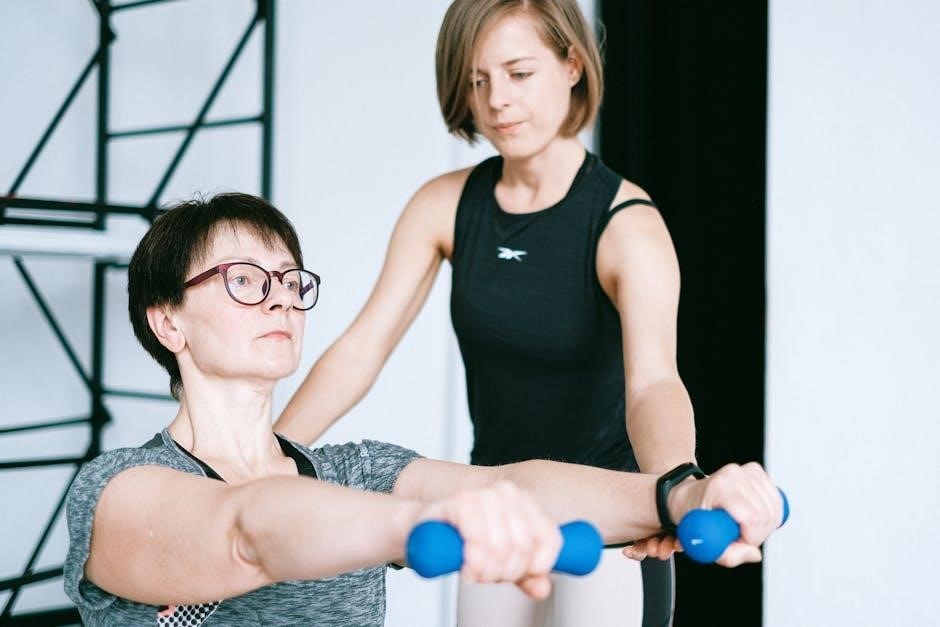
Core Principles of Neuromuscular Re-education Programs
Neuromuscular re-education centers on restoring the mind-muscle connection, utilizing PDF exercise guides to enhance proprioception and improve motor control effectively․
Proprioception and its Role
Proprioception, the body’s ability to sense its position and movement in space, is fundamental to neuromuscular re-education․ When injury or neurological conditions disrupt this sense, normal movement patterns are compromised․ Re-establishing proprioception is a core tenet of effective rehabilitation programs, often detailed in comprehensive neuromuscular re-education exercises PDF resources․
These PDF guides frequently include exercises designed to challenge and retrain the nervous system․ Balance improvement exercises, like those utilizing Bosu balls and therapeutic balls, are crucial for enhancing proprioceptive feedback․ Single leg stance exercises also play a vital role․ By progressively increasing the difficulty of these exercises, therapists aim to restore the body’s natural ability to maintain stability and control, ultimately improving functional movement and reducing the risk of re-injury․ The goal is to ‘reboot’ the body’s communication system․
Sensory Awareness Enhancement
Sensory awareness is intrinsically linked to successful neuromuscular re-education, and many neuromuscular re-education exercises PDF materials emphasize techniques to heighten this awareness․ Often, injury or neurological events diminish the ability to perceive subtle changes in joint position, muscle tension, and body alignment․ Re-establishing this sensory input is vital for regaining coordinated movement․
Exercises detailed in these PDF guides often begin with simple, focused movements, encouraging patients to consciously attend to the sensations within their bodies․ Manual joint mobilization and soft tissue manipulation, frequently included in programs, help restore normal tissue mechanics and enhance sensory feedback․ Furthermore, exercises promoting core control, like plank variations and bridge exercises, improve body awareness and stability․ The aim is to rebuild the body’s internal communication system for optimal function․
Motor Control Improvement
Motor control improvement is a central goal of neuromuscular re-education, and numerous neuromuscular re-education exercises PDF resources outline progressive strategies to achieve this․ Following injury or neurological conditions, the brain’s ability to efficiently activate and coordinate muscles can be compromised․ These PDF guides often detail exercises designed to “re-teach” the nervous system proper movement patterns․
Techniques like PNF (Proprioceptive Neuromuscular Facilitation), frequently described in these materials, utilize specific movement patterns to stimulate muscle activation and improve coordination․ Balance improvement exercises – including those using a Bosu ball or therapeutic ball – challenge the system and promote stability․ Muscle coordination protocols, also detailed, focus on integrating movements across multiple joints․ The ultimate aim is to restore fluid, efficient, and controlled movement, enhancing functional abilities․

Key Techniques Used in Neuromuscular Re-education
Neuromuscular re-education employs manual joint mobilization, soft tissue manipulation, and targeted exercises – often detailed in PDF guides – to restore function․
PNF (Proprioceptive Neuromuscular Facilitation)
Proprioceptive Neuromuscular Facilitation (PNF) is a core technique within neuromuscular re-education, utilizing specific movement patterns to enhance muscle activation and coordination․ Often detailed within comprehensive neuromuscular re-education exercises PDF resources, PNF involves a combination of stretching and resisted contractions․ These techniques aim to improve proprioception – the body’s awareness of its position in space – and restore normal movement patterns․
PNF techniques commonly involve diagonal patterns, spiral movements, and rhythmic stabilization․ These methods stimulate muscle spindles and Golgi tendon organs, leading to increased muscle flexibility and strength․ Accessing detailed PDF guides can provide clinicians and patients with specific PNF protocols tailored to various conditions, ensuring proper execution and maximizing therapeutic benefits․ The goal is to ‘re-educate’ the neuromuscular system, improving motor control and functional outcomes․
Manual Joint Mobilization
Manual joint mobilization is a crucial component of neuromuscular re-education, often detailed within neuromuscular re-education exercises PDF guides․ This hands-on technique addresses joint restrictions that can impede optimal movement and neuromuscular function․ Therapists use skilled techniques to restore proper joint mechanics, improving range of motion and reducing pain․ These mobilizations directly impact proprioceptive input, enhancing the body’s awareness of joint position․
By addressing joint stiffness, manual therapy facilitates more effective muscle activation and coordination․ Detailed PDF resources often illustrate specific mobilization grades and techniques applicable to different joints and conditions․ Combining manual therapy with targeted exercises, as outlined in these guides, optimizes neuromuscular re-education outcomes․ The aim is to create a foundation for improved movement patterns and functional abilities, allowing patients to regain control and stability․
Soft Tissue Manipulation
Soft tissue manipulation plays a vital role in neuromuscular re-education, frequently described within comprehensive neuromuscular re-education exercises PDF resources․ This technique addresses muscle imbalances, fascial restrictions, and trigger points that can disrupt normal movement patterns․ Therapists employ various methods, like massage and myofascial release, to restore muscle length, reduce tension, and improve tissue extensibility․
By releasing soft tissue restrictions, optimal neuromuscular function is restored, enhancing proprioception and motor control․ PDF guides often detail specific soft tissue techniques tailored to different muscle groups and conditions․ Integrating these manipulations with targeted exercises, as presented in these resources, maximizes the effectiveness of re-education․ The goal is to improve muscle activation, coordination, and overall movement efficiency, ultimately leading to improved functional outcomes and reduced pain․
Specific Exercises for Neuromuscular Re-education
Neuromuscular re-education exercises PDF guides detail balance, coordination, and core control drills – like Bosu ball and plank variations – for functional recovery․
Balance Improvement Exercises
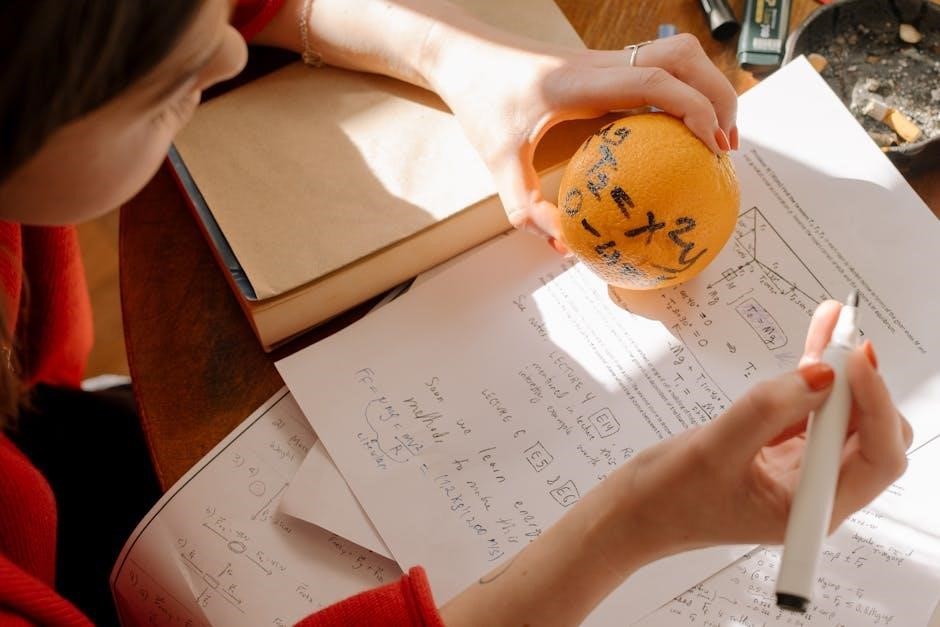
Balance improvement exercises are foundational in neuromuscular re-education, enhancing stability and proprioception – crucial for diverse populations, especially seniors and those recovering from injuries․ Many neuromuscular re-education exercises PDF resources emphasize progressive challenges․
Bosu ball exercises introduce instability, forcing the body to engage stabilizing muscles․ Therapeutic ball exercises similarly promote core engagement and dynamic balance control․ Single leg stance exercises, often detailed in these PDFs, are a cornerstone, progressing from static holds to dynamic movements with perturbations․
These exercises aren’t simply about preventing falls; they rebuild the neural pathways responsible for coordinated movement․ PDF guides often include detailed progressions, ensuring exercises are tailored to individual capabilities and monitored for proper form, maximizing effectiveness and minimizing risk․
Bosu Ball Exercises
Bosu ball exercises are frequently featured in neuromuscular re-education exercises PDF guides due to their versatility in challenging balance and proprioception․ The unstable surface demands greater muscle activation to maintain control, effectively “rebooting” the communication between the brain and muscles․
Common exercises include squats, lunges, and push-ups performed on the Bosu ball, increasing the difficulty compared to stable surfaces․ PDF resources often detail progressions, starting with bilateral stances and advancing to unilateral work․
These exercises aren’t just about strength; they’re about retraining the nervous system to react efficiently to perturbations․ Detailed PDFs will emphasize proper form and controlled movements, ensuring safety and maximizing the neuromuscular benefits of this valuable tool․
Therapeutic Ball Exercises
Therapeutic ball exercises, a cornerstone of many neuromuscular re-education exercises PDF programs, provide a dynamic and adaptable platform for restoring motor control․ These large, inflatable balls challenge stability and require constant adjustments, enhancing proprioceptive feedback․
PDF guides commonly illustrate exercises like ball bridges, wall squats with the ball, and chest passes․ These movements target core stability, lower extremity strength, and upper body coordination․ The instability forces patients to actively engage stabilizing muscles, improving neuromuscular pathways․
Progressions are key, as detailed in these resources, starting with simple exercises and gradually increasing the challenge․ Proper form and controlled movements are emphasized to ensure effective retraining and prevent injury, making therapeutic balls a versatile tool․
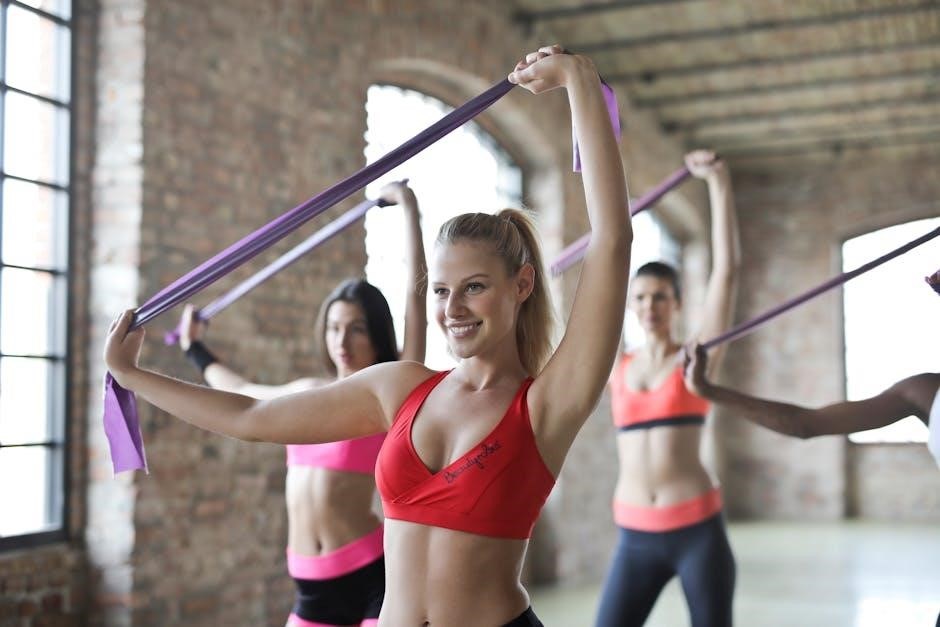
Single Leg Stance Exercises
Single leg stance exercises are frequently detailed within neuromuscular re-education exercises PDF materials, serving as foundational drills for balance and proprioceptive enhancement․ These exercises challenge the body’s ability to maintain equilibrium on a reduced base of support, crucial for functional movements․
PDF guides often present progressions, beginning with static holds and advancing to dynamic variations like single leg reaches or incorporating perturbations․ These drills strengthen ankle and hip stabilizers, improving reactive neuromuscular control․ Variations include eyes open/closed, and uneven surfaces․
The focus is on maintaining proper alignment and minimizing sway, retraining the nervous system to efficiently control posture․ These exercises are vital for rehabilitation and injury prevention, as highlighted in many resources․
Muscle Coordination Protocols
Muscle coordination protocols, extensively outlined in neuromuscular re-education exercises PDF resources, aim to restore harmonious muscle activation patterns․ These protocols move beyond isolated strengthening, focusing on the timing and sequencing of muscle contractions during functional tasks․
PDF guides typically present exercises that integrate multiple joints and muscle groups, challenging the nervous system to coordinate movements effectively․ Examples include controlled reaching movements, coupled with core engagement, or reciprocal limb movements․
The goal is to eliminate compensatory strategies and re-establish efficient, fluid movement․ These protocols are essential for regaining functional independence and preventing re-injury, as detailed in therapeutic manuals;
Core Control Exercises
Core control exercises, frequently detailed within neuromuscular re-education exercises PDF guides, are foundational for stability and efficient movement․ These exercises target the deep abdominal muscles, back extensors, and pelvic floor, promoting a stable trunk from which limbs can move effectively․
PDF resources commonly feature progressions, starting with basic activations and advancing to dynamic movements․ Plank variations, bridge exercises, and bird dog exercises are staples, emphasizing maintaining a neutral spine and preventing unwanted motion․
Effective core control is crucial for re-establishing proper movement patterns and reducing stress on joints, as highlighted in rehabilitation protocols found in these guides․
Plank Variations
Plank variations, extensively illustrated in many neuromuscular re-education exercises PDF resources, are progressive exercises designed to enhance core stability and endurance․ Starting with a standard plank, modifications increase the challenge and target different muscle groups․
PDF guides often detail side planks to address lateral core strength, forearm planks for reduced shoulder stress, and plank with alternating limb lifts to improve dynamic stability․ Advanced variations include plank jacks and plank with shoulder taps․
These exercises, when performed correctly as demonstrated in the PDFs, promote proper spinal alignment and neuromuscular control, crucial for functional movement and injury prevention․
Bridge Exercises
Bridge exercises, frequently detailed within neuromuscular re-education exercises PDF materials, are foundational for strengthening the glutes, hamstrings, and core – vital for pelvic stability and movement control․ These exercises are often included as a starting point in rehabilitation programs․
PDF guides typically showcase variations like basic glute bridges, single-leg bridges to challenge balance, and bridges with a resistance band around the knees for increased activation․ More advanced options include weighted bridges and bridge with alternating arm reaches․
Proper form, as emphasized in the PDFs, ensures effective muscle engagement and prevents compensatory movements, contributing to improved neuromuscular function and reduced pain․
Bird Dog Exercises
Bird dog exercises, commonly illustrated in neuromuscular re-education exercises PDF resources, are excellent for enhancing core stability, balance, and coordination․ These exercises challenge the body to maintain a neutral spine while simultaneously moving opposite arm and leg․
PDF guides often present progressions, starting with basic bird dogs focusing on controlled movements, then advancing to variations like adding a pause at extension or incorporating light weights․ Emphasis is placed on avoiding arching or rotating the back․
These exercises are crucial for re-establishing proper motor patterns and improving proprioception, contributing to functional movement and injury prevention, as detailed in many rehabilitation PDFs․
Neuromuscular Re-education for Specific Conditions
Neuromuscular re-education exercises PDF guides tailor programs for conditions like osteoarthritis, post-injury recovery, and neurological impairments, focusing on restoring function․
Knee Osteoarthritis
Neuromuscular re-education plays a crucial role in managing knee osteoarthritis, aiming to reduce pain and improve function․ Many resources offer neuromuscular re-education exercises PDF downloads specifically designed for this condition․ These programs typically emphasize strengthening the muscles surrounding the knee – quadriceps, hamstrings, and calf muscles – to enhance joint stability․
Exercises often include low-impact activities like balance training, utilizing tools such as Bosu balls and therapeutic balls, as highlighted in various clinical studies․ Progressive loading is key, starting with simple exercises and gradually increasing the challenge․ A case series demonstrated the effectiveness of an 8-week program supervised by trained physiotherapists, ensuring proper form and individualized progression․ The goal is to ‘reboot’ the body’s communication system, improving proprioception and motor control, ultimately leading to better movement patterns and reduced reliance on pain medication․
Post-Injury Rehabilitation
Neuromuscular re-education is fundamental in post-injury rehabilitation, bridging the gap between regaining range of motion and restoring functional movement․ Numerous neuromuscular re-education exercises PDF guides are available, tailored to specific injuries and recovery stages․ These programs focus on retraining the nervous system to control injured limbs effectively․
Techniques like PNF (Proprioceptive Neuromuscular Facilitation) and manual joint mobilization, combined with targeted exercises, are commonly employed․ Balance and core control exercises, including Bosu ball and therapeutic ball work, are vital for re-establishing stability․ Individualized assessment and progressive exercise loading are paramount, ensuring exercises align with the patient’s current neuromuscular function․ The aim is to rebuild the mind-muscle connection, improving coordination and preventing re-injury, ultimately facilitating a return to pre-injury activity levels․
Neurological Conditions
Neuromuscular re-education plays a crucial role in managing movement impairments stemming from neurological conditions like stroke or cerebral palsy․ Accessible neuromuscular re-education exercises PDF resources offer structured programs designed to improve motor control and function․ These programs emphasize retraining the brain and nervous system to overcome neurological deficits․
Exercises focus on enhancing proprioception, sensory awareness, and motor control․ Balance improvement exercises, core control protocols (planks, bridges, bird dogs), and targeted muscle coordination drills are frequently utilized․ A qualified physical therapist individualizes the program, progressively challenging the patient․ The goal is to restore functional movement patterns, improve independence, and enhance quality of life, addressing specific neurological challenges through focused retraining and consistent practice․
Program Design and Implementation
Effective programs begin with individualized assessment, utilizing neuromuscular re-education exercises PDF guides to tailor treatment, and progressively load exercises for optimal results․
Individualized Assessment
Individualized assessment is the cornerstone of any successful neuromuscular re-education program․ Before initiating exercises – whether sourced from a comprehensive neuromuscular re-education exercises PDF or designed specifically – a thorough evaluation is crucial․ This process involves a detailed review of the patient’s medical history, current functional limitations, and specific goals․
Physical therapists will assess range of motion, muscle strength, proprioception (body awareness), and movement patterns․ Identifying impairments in these areas guides the selection of appropriate exercises․ Utilizing resources like detailed PDF guides allows therapists to select exercises targeting specific deficits․ The assessment isn’t static; ongoing monitoring and adjustments are vital to ensure the program remains effective and tailored to the patient’s evolving needs, maximizing functional recovery․
Progressive Exercise Loading
Progressive exercise loading is fundamental to neuromuscular re-education, ensuring safe and effective gains․ Starting with simpler exercises – often detailed in a neuromuscular re-education exercises PDF – and gradually increasing complexity is key․ This progression considers factors like repetitions, sets, resistance, and the introduction of unstable surfaces (like a Bosu ball)․
The goal is to challenge the neuromuscular system without overwhelming it․ Monitoring patient response is crucial; pain or increased fatigue signals a need to regress․ A well-structured program, potentially guided by a PDF resource, systematically builds strength, coordination, and proprioception․ This phased approach optimizes motor learning and minimizes the risk of re-injury, fostering long-term functional improvements․
Monitoring Patient Progress
Monitoring patient progress is vital throughout neuromuscular re-education․ Regular assessments, often informed by protocols outlined in a neuromuscular re-education exercises PDF, track improvements in balance, coordination, and strength․ These evaluations may include functional movement screens, range of motion measurements, and patient-reported outcome measures․
Consistent observation during exercise sessions is also crucial, ensuring correct form and identifying any compensatory patterns․ Adjustments to the program, potentially referencing modifications within the PDF guide, are made based on these observations․ Documenting progress allows for data-driven decision-making, optimizing the rehabilitation process and maximizing the patient’s return to function․ This iterative process ensures the program remains effective and tailored to individual needs․

Resources and Further Information
Numerous neuromuscular re-education exercises PDF resources are available online, alongside directories for locating qualified physical therapists specializing in these techniques․
Finding Qualified Physical Therapists
Locating a skilled physical therapist is crucial for successful neuromuscular re-education․ Seek therapists with advanced training and experience in this specialized area, as evidenced by certifications or continuing education focused on techniques like PNF and manual joint mobilization․ Many clinics, such as Coastline Ortho and TheraRehab and Wellness, employ therapists proficient in customizing programs;
When searching, consider therapists familiar with creating individualized exercise plans, potentially utilizing resources like neuromuscular re-education exercises PDF guides to supplement in-clinic sessions․ Online directories from professional organizations (like the APTA) can help identify qualified practitioners in your area․ Don’t hesitate to inquire about their specific experience with your condition and their approach to neuromuscular rehabilitation before scheduling an appointment․ A thorough assessment is the first step towards a tailored recovery plan․
Accessing Neuromuscular Re-education PDFs
While a physical therapist’s guidance is paramount, supplementary neuromuscular re-education exercises PDF resources can be valuable for home practice and understanding your program․ A comprehensive search online may yield relevant documents, though verifying the source’s credibility is essential․ Look for PDFs from reputable clinics, university medical centers, or professional physical therapy associations․
These PDFs often detail specific exercises for balance (Bosu ball, therapeutic ball), core control (plank variations, bridges, bird dogs), and muscle coordination protocols․ Remember, these should complement, not replace, your therapist’s individualized plan․ Always prioritize proper form and technique as instructed by your therapist to avoid injury․ Use the PDFs as a reference to reinforce what you’ve learned in therapy sessions and enhance your recovery journey․
Continuing Education for Therapists
Staying current with neuromuscular re-education techniques is crucial for therapists․ Numerous continuing education courses delve into advanced applications, including utilizing neuromuscular re-education exercises PDF resources effectively․ These courses often cover Proprioceptive Neuromuscular Facilitation (PNF), manual joint mobilization, and soft tissue manipulation techniques․
Accessing and critically evaluating exercise protocols – including those found in PDF formats – is a key component of advanced training․ Therapists learn to adapt exercises for diverse patient populations, like those with knee osteoarthritis or neurological conditions․ Understanding how to integrate these resources into individualized programs, alongside monitoring patient progress, ensures optimal outcomes․ Continuing education empowers therapists to deliver evidence-based, effective neuromuscular re-education care․