Welcome to the Innova Owner’s Manual, your definitive guide available at www․innova․com/manual․ It explains vehicle basics, safety, maintenance, and OBD‑II diagnostics․ Follow the clear sections to keep your Innova running smoothly․ Use it daily for safety!
Purpose of the Manual
The Innova Owner’s Manual, accessible at www․innova․com/manual, serves as the primary reference for vehicle owners, technicians, and service personnel․ Its core objective is to provide clear, concise, and reliable information that empowers users to operate, maintain, and troubleshoot their Innova efficiently and safely․ By consolidating essential data—ranging from basic vehicle operation, OBD‑II diagnostic procedures, to detailed maintenance schedules—this manual eliminates the need for multiple disparate sources, thereby reducing confusion and ensuring consistent application of manufacturer‑approved practices․

Key functions of the manual include:
- Defining the scope of responsibilities for the owner, such as routine checks and preventive care․
- Outlining step‑by‑step instructions for common tasks, including oil and filter changes, brake system checks, and tire maintenance․
- Providing a comprehensive overview of the vehicle’s electronic monitoring system, with emphasis on two‑trip DTCs, non‑continuous monitors, and how to interpret diagnostic codes․
- Offering troubleshooting guidance that aligns with the latest OBD‑II standards, enabling users to quickly identify and resolve issues before they lead to costly repairs․
Ultimately, the manual’s purpose is to foster a proactive maintenance culture, enhance vehicle longevity, promote․ It is designed to be user‑friendly, with a logical layout that allows readers to locate information rapidly, whether they are consulting the manual for a quick fix or preparing for a scheduled service․
How to Navigate the Manual
Access the digital manual at https://www․innova․com/manual․ The left‑hand navigation pane lists main sections; click to expand sub‑sections․ Hover over a heading for a tooltip preview․ Use the search bar to locate keywords or DTC numbers quickly․
Download the PDF for offline reading․ The PDF mirrors the online layout, with clickable table of contents and page numbers․ Bookmark sections you use often, and use the “Print” option to create a hard copy of any page․
Use the search bar to find specific sections or DTCs․ Enter a keyword or code, press Enter, and the system lists matching pages․ Filter results by category if needed․ Clicking a result jumps directly to the relevant paragraph․
Check the Updates tab for the latest revisions, firmware notes, and safety bulletins․ The version history at the bottom of each page confirms you’re using the most current information․
The manual also includes a dedicated section for troubleshooting common issues․ It lists diagnostic trouble codes (DTCs) with descriptions, causes, and recommended fixes․ For example, a DTC P0300 indicates a misfire; the manual advises checking spark plugs, ignition coils, and fuel injectors․ Additionally, the manual explains how to reset the system after repairs, ensuring the vehicle’s check‑engine light returns to normal․ For detailed service intervals, refer to the scheduled maintenance schedule, which outlines oil changes, filter replacements, and other routine checks to keep the Innova reliable and safe․

Vehicle Overview
The Innova combines spacious interior, robust chassis, and efficient powertrain․ Its aerodynamic body, LED lighting, and advanced safety tech deliver comfort and performance․ Features include dual‑zone climate control, infotainment, and a versatile cargo area․ Enjoy! Drive
The Innova offers a blend of comfort, versatility, and reliability, making it a favorite for families and commercial use alike․ Its spacious cabin accommodates up to eight passengers, with configurable seating that can be folded or removed to create a generous cargo area․ The dashboard features a user‑friendly layout, with intuitive controls and a clear instrument cluster that displays essential information at a glance․ A high‑definition infotainment screen, Bluetooth connectivity, and multiple USB ports keep occupants connected and entertained․ The vehicle’s suspension system is tuned for smooth handling, while the robust chassis provides durability for various road conditions․ Safety is a priority, with features such as multiple airbags, ABS, electronic stability control, and a comprehensive set of driver assistance systems․ Fuel efficiency is balanced with power, thanks to a well‑tuned engine and efficient transmission․ The Innova’s exterior design is both functional and stylish, with aerodynamic lines, LED lighting, and a sturdy body that withstands everyday wear and tear․ Overall, the Innova delivers a well‑rounded driving experience that meets the needs of modern drivers․ With its robust build quality, the Innova is engineered to withstand harsh driving conditions, from rough gravel roads to city traffic․ The vehicle’s high ground clearance and durable underbody protect critical components, while the advanced suspension system absorbs bumps for a smooth ride․ Inside, the cabin offers ample legroom and headroom, with adjustable seats that can be reclined for maximum comfort․ The infotainment system provides navigation, smartphone integration, and a audio setup, ensuring a pleasant journey for all passengers․ Enjoy the ride․․ safe․
Interior Layout and Controls
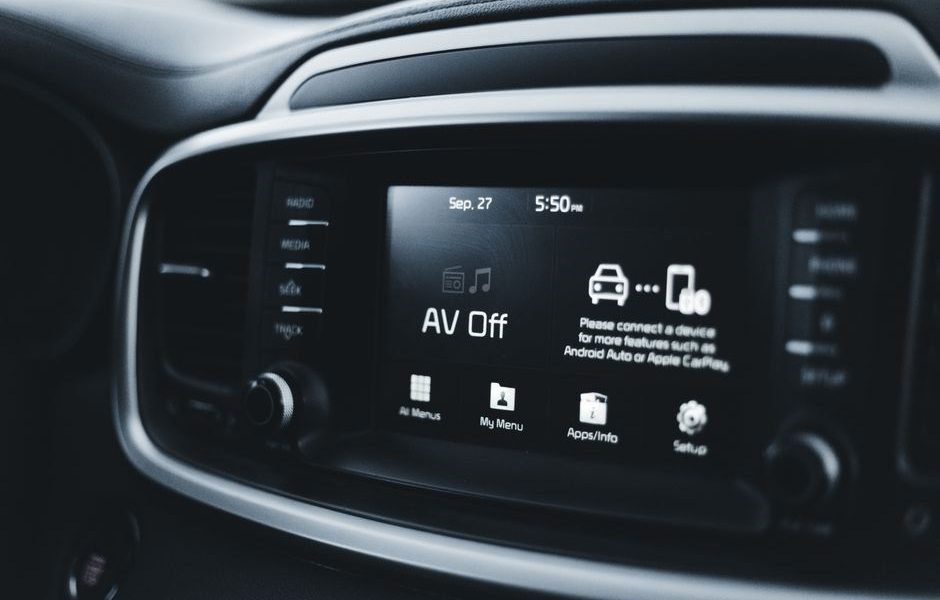
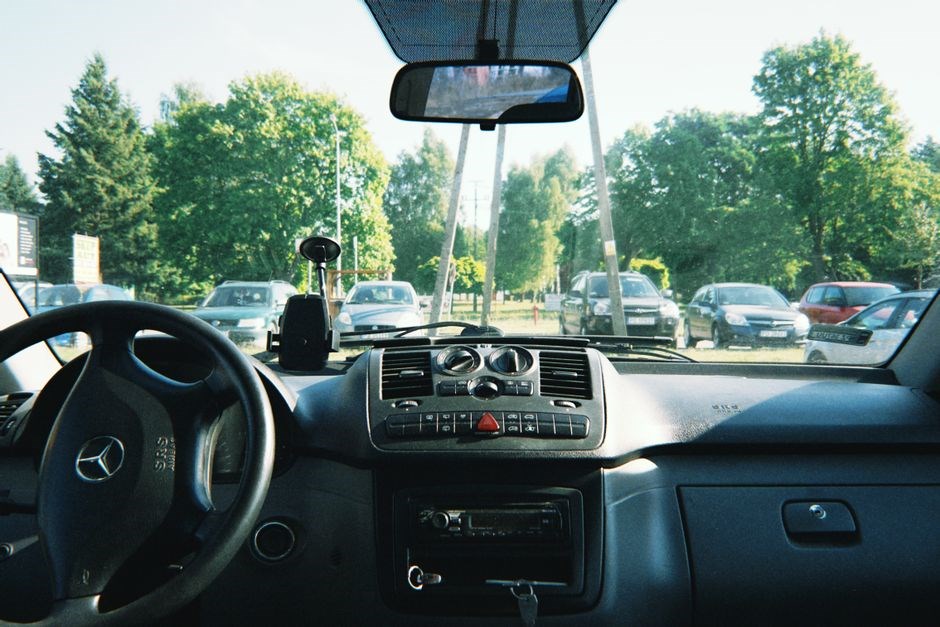
The Innova’s cabin is engineered for ergonomic efficiency and passenger comfort․ At the center of the dashboard sits a clean, flat‑panel instrument cluster that displays speed, fuel level, engine temperature, and diagnostic alerts in crisp, easy‑to‑read fonts․ The digital readouts are complemented by analog gauges that provide a tactile sense of vehicle status․ A large, high‑resolution touchscreen dominates the center console, offering navigation, media playback, climate control, and vehicle settings․ The screen supports Bluetooth, Apple CarPlay, and Android Auto, allowing seamless smartphone integration․ The steering wheel is fitted with multifunction controls for audio, cruise control, and a voice‑command button, enabling hands‑free operation․ The seat layout is fully adjustable; front seats feature power recline, lumbar support, and heating, while rear seats can be folded flat to expand cargo space․ Each seat is equipped with a three‑point seat belt, and the rear seats include an additional seat belt for the third row․ The interior trim uses durable, easy‑to‑clean materials, with soft‑touch surfaces and a neutral color palette that reduces glare․ Ambient lighting is available in several colors, creating a pleasant atmosphere for long drives․ The vehicle’s climate control system offers dual‑zone automatic temperature regulation, with separate controls for the driver and front passenger․ The rear cabin is equipped with a rear‑view camera display and a secondary audio output for rear passengers․ All controls are positioned within easy reach, and the layout follows a logical flow that minimizes distraction․ The Innova’s interior is designed to accommodate families and commercial users alike, providing a versatile, comfortable environment for daily commutes, road trips, and cargo transport․ The combination of ergonomic design, advanced infotainment, and practical storage solutions makes the Innova a standout choice for drivers who value both functionality and comfort․ The vehicle’s power steering is electric, providing a light, responsive feel that adapts to speed and road conditions․ The steering column is adjustable for height and reach, ensuring a comfortable driving posture for a wide range of occupants․ The cabin includes a rear‑seat entertainment system with a tablet holder and a built‑in DVD player, making long journeys enjoyable for children․ The storage compartments are strategically placed: a central glove box, door pockets, and a large trunk area with a built‑in divider․ The Innova’s interior also features a quick‑access keyless entry system, allowing drivers to unlock the doors with a button press from a distance․ The vehicle’s acoustic insulation reduces road noise, creating a quiet environment for passengers․ The seat upholstery is made from high‑quality, stain‑resistant fabric that can be easily wiped clean․ The dashboard lighting can be dimmed or brightened to suit driving conditions, enhancing visibility during night driving․

Safety and Warning Information
Fasten seat belts, use airbags․ Observe brake warning lights; a flashing brake indicator signals low fluid or system fault․ Follow OBD‑II diagnostics for two‑trip DTCs, ensuring non‑continuous monitors complete each trip․ Keep all warnings addressed prompt ․
Seat Belt and Airbag Usage
Proper seat belt use is essential for safety․ All occupants should buckle before the vehicle starts․ The belt should lie flat across the chest and hips, not twisted․ The lap belt must be snug but not tight; the shoulder belt should cross the chest and not the neck․ Children under 13 should use a child restraint system appropriate for their size․ Airbags deploy during a collision to cushion occupants․ They are not substitutes for seat belts; failure to wear a seat belt can cause the airbag to injure the occupant․ The system monitors seat belt status; a warning light will illuminate if a belt is unbuckled․ If the airbag warning light remains on after a trip, the system may be in a fault state; consult a qualified service center․ The driver’s airbag is located in the steering wheel; the passenger airbag is in the dashboard․ Do not cover or obstruct the airbags with objects or clothing․ Keep the vehicle’s seat belt pretensioner and airbag system intact; do not attempt to modify or disable them․ For detailed maintenance, refer to the vehicle’s service manual․
Key points to remember:
- Always buckle before ignition․
- Use the correct seat belt for each passenger․
- Check the seat belt warning light regularly․
- Do not tamper with the airbag module․
- Replace any damaged belts immediately․
- Keep the driver’s seat in the recommended position․
In case of a collision, the airbags will deploy automatically․ The seat belt pretensioner will tighten the belt to reduce occupant movement․ If the seat belt warning light remains illuminated after a crash, the system may have a fault; a diagnostic scan is required․ The vehicle’s OBD‑II port can be used to retrieve fault codes related to the restraint system․ Follow the manufacturer’s instructions for resetting the system after repairs․ Always keep the vehicle’s manual on hand for reference․
Always ensure that the seat belt buckle is securely latched and that the belt is not twisted․ The airbag system is designed to work in tandem with the seat belt; when both are engaged, occupant protection is maximized․ If you notice any abnormal noise or a persistent warning light, schedule a service appointment promptly․
Brake System Warnings and Maintenance
Brake warnings appear as a flashing light or a message on the instrument panel․ Common alerts include low brake fluid, ABS malfunction, or brake pad wear․ The Innova’s integrated ABS system monitors wheel speed and will trigger a warning if a sensor fails or if hydraulic pressure drops․ If the brake fluid level is below the minimum mark, the system will illuminate the brake warning light and, in some models, display a diagnostic code via the OBD‑II port․ Always check the fluid reservoir regularly; top up with the manufacturer‑specified brake fluid (DOT 4 or DOT 5․1)․ A leak in the brake lines can cause a rapid loss of pressure; inspect hoses, calipers, and master cylinder for signs of wear or damage․ Routine maintenance includes inspecting brake pads and rotors every 10,000 to 12,000 miles․ Replace pads when the wear indicator shows less than 3 mm thickness․ Rotors should be resurfaced or replaced if scored, warped, or cracked․ ABS sensors should be cleaned and checked for proper operation during service․ The brake master cylinder should be inspected for internal seals and fluid quality․ If the brake pedal feels spongy or the warning light remains on after a reset, schedule a diagnostic scan at a certified dealership․ To reset the brake warning system, disconnect the battery for 10 minutes, then reconnect․ The system will re‑initialize and clear stored fault codes․ However, if a fault persists, do not drive until the issue is resolved․ Follow the manufacturer’s service schedule and use OEM parts to maintain warranty coverage․

Maintenance and Service
Follow the Innova schedule: oil every 5,000 miles, filter changes, tire rotations, brake checks, and fluid top‑ups․ Use OEM parts, keep records, and consult the online manual for detailed procedures․ Regular service keeps your Innova safe․ and schedule yearly checks․ for optimal performance․!
Scheduled Maintenance Schedule
Follow the Innova schedule posted online at www․innova․com/manual․ It divides care into mileage and time intervals․

- 5,000 miles / 6 months: Check tire pressure, oil level, brake pads․
- 10,000 miles / 12 months: Change oil/ filter, check coolant, test battery․
- 15,000 miles / 18 months: Inspect brakes, replace fluid, check suspension․
- 20,000 miles / 24 months: Check transmission fluid, replace plugs, tension belt․
- 30,000 miles / 36 months: Full engine diagnostic, replace air filter, inspect exhaust․
- 60,000 miles / 72 months: Replace timing belt, inspect mounts, full safety check․
Seasonal checks: before winter/summer, replace wipers, inspect lights, clean cabin filter․
Heavy‑use owners: oil every 3,000 miles, filter every 6,000 miles, full inspection every 12,000 miles․
Use OEM parts; document all services․ Refer to the manual for trim variations․
Schedule regular visits to an authorized service center for inspections that exceed the basic checks․ Technicians can identify issues early and keep warranty intact․
Maintain a detailed service logbook․ Record dates, mileage, services performed, and parts replaced to aid future maintenance and resale value․
Check coolant, transmission, and power steering fluid levels every 12,000 miles․ Low fluid can cause overheating or component damage․
When replacing parts, always verify part numbers against the OEM catalog to avoid counterfeit components that could compromise safety and performance․!
Keep spare bulbs and wipers!․․
Oil and Filter Change Procedure
Follow the step‑by‑step guide from the Innova online manual at www․innova․com/manual to keep the engine healthy․ Use a 5W‑30 synthetic blend, 4․5 L capacity, and a genuine OEM filter․
- Park on level ground, engage the parking brake, and allow the engine to cool․
- Place a drain pan beneath the oil pan bolt․ Remove the drain plug with a suitable socket; let the oil drain completely, usually 3–5 minutes․
- Replace the drain plug, tightening to 20 ft‑in torque․
- Remove the oil filter with a filter wrench․ Dispose of the old filter properly․
- Lubricate the rubber seal of the new filter with a small amount of fresh oil, then screw it on by hand until snug, followed by one‑half turn․
- Open the hood, locate the oil filler cap, and pour 4․5 L of new oil through the opening․
- Replace the filler cap, start the engine, and let it idle for 2 minutes․
- Check the dipstick for proper level; add oil if necessary․
- Inspect the drain plug area for leaks, and clean any spilled oil․
- Record the date, mileage, and oil type in the maintenance log․

Always use a clean, flat surface to avoid spillage․ Dispose of used oil at an approved recycling center․ This routine ensures optimal lubrication, reduces wear, and extends engine life․
Remember to keep the oil filter gasket clean and replace it every 10,000 miles to prevent leaks and maintain engine efficiency․ for all․ 2026!!

Diagnostic and Troubleshooting
Access the Innova OBD‑II guide at www․innova․com/manual․ Connect a scan tool, read fault codes, note two‑trip DTCs, and review non‑continuous monitors․ Follow the service manual for reset steps․
Reset steps detailed․
OBD-II Diagnostic Procedure
To begin an OBD‑II diagnostic on the Innova, locate the diagnostic connector beneath the driver’s side dash․ Use a compatible scan tool or a handheld reader․ Power the vehicle to the accessory position, then connect the probe․ The Innova’s ECU will automatically enter diagnostic mode․ The procedure follows these steps: 1) Verify that the OBD‑II port is functioning by checking the green LED on the scan tool․ 2) Read all stored fault codes; note any two‑trip DTCs, which are cleared after the first trip and re‑appear if the fault persists․ 3) Review active monitors; non‑continuous monitors run once per trip and will show completion status․ 4) If a code appears, refer to the Innova service manual for specific repair instructions․ 5) After repairs, clear the codes and perform a test drive to confirm resolution․ 6) Re‑read codes to ensure they have not re‑occurred․ This systematic approach reduces troubleshooting time and ensures accurate fault identification․ During the scan, pay attention to the diagnostic trouble codes that appear in the list․ Codes beginning with P0xxx indicate powertrain issues, while P1xxx refer to emissions․ If a P0420 code shows, inspect the catalytic converter․ For a P0300, check the spark plugs and ignition coils․ After clearing, re‑engage the engine and verify that the fault lights remain off․ If any code re‑appears, revisit the repair steps or consult a certified technician․ If the check‑engine light stays on after reset, inspect wiring for corrosionand sensor readings match spec now!!! OK?
Common Fault Codes and Fixes
Common fault codes on the Innova often stem from sensor misreads, vacuum leaks, or emission‑related issues․ Below are the most frequently encountered codes and practical fixes․ P0420 – Catalyst System Efficiency Below Threshold (Bank 1): Inspect the catalytic converter and ensure the upstream and downstream O₂ sensors are functioning․ Replace the converter if the temperature differential is insufficient․ P0300 – Random/Multiple Cylinder Misfire Detected: Check spark plugs, ignition coils, and fuel injectors for wear․ Replace any faulty components and verify proper spark timing․ P0171 – System Too Lean (Bank 1): Inspect the air‑suction hose for cracks, clean the throttle body, and check the mass airflow sensor․ Replace the sensor if readings are outside spec․ P0113 – Intake Air Temperature Sensor Circuit Low Input: Inspect wiring to the IAT sensor, clean the sensor, and replace if necessary․ P0455 – Evaporative Emission System Leak Detected (Large Leak): Tighten the charcoal canister vent, inspect the fuel cap, and replace any damaged hoses․ P0401 – Evaporative Emission System Leak Detected (Small Leak): Check the purge valve and associated hoses for cracks or disconnections․ P0402 – Evaporative Emission System Leak Detected (Large Leak): Inspect the charcoal canister and vent lines for damage․ P0404 – Evaporative Emission System Leak Detected (Large Leak): Verify the purge valve operation and ensure the vent lines are intact․ P0406 – Evaporative Emission System Leak Detected (Large Leak): Inspect the purge valve and check for any vacuum leaks․ P0128 – Coolant Temperature Sensor Circuit Low Input: Inspect the coolant temperature sensor wiring and replace if faulty․ P0135 – O₂ Sensor Circuit Slow Response (Bank 1): Check the O₂ sensor wiring and replace if slow response persists․ P0136 – O₂ Sensor Circuit Malfunction (Bank 1): Inspect the sensor and wiring, replace if malfunctioning․ P0137 – O₂ Sensor Circuit Malfunction (Bank 2): Inspect the sensor and wiring, replace if malfunctioning․ After each repair, clear the codes with a scan tool and perform a short drive to confirm the fault is resolved․ If a code reappears, re‑inspect the component or consult a certified technician․